How to overcome co-parenting challenges for your child’s well-being
Being a father , Children , Co-parentingThis is the second part of our conversation with educational psychologist and life coach, Tshepiso Matentjie, who shares how parents can address some of the most common challenges that arise when trying to co-parent.

Click here to read Tshepiso’s insights into the main challenges that people face in co-parenting.
Unresolved conflicts, particularly hurt and traumas, which have not been acknowledged, spill over into how children are brought up. Children are often more aware of this conflict that we realise, and it can lead to them not wanting to bring up whatever challenges they are facing with their parents for fear of creating additional conflict between their parents.
That unfortunately ends up making the child vulnerable to influences such as peer pressure and exploitation by friends, boyfriends or girlfriends because they are seeking acceptance, love and affirmation from those places that they’re not able to find with their biological parents.
If they had had safety, and open communication and transparent engagement with their parents – whether their parents are together or not – it would reduce the risk of this happening.
There are two things that co-parents can do about this. Firstly, as psychologists, we always encourage families, both parents and children, to go to therapy.
Therapy and child psychotherapy can be very, very effective – but it’s important to understand that what's going to come up in therapy is also going to be a reflection of what the parents need to correct in their parenting styles, as well as the personal issues they need to work on. Therapy is not a bypass for a child to get help and deal with their difficulties without the parents also needing to do the work of healing and growing.
Secondly, co-parents should build a strong relationship with their child's teachers. Parents should try create a support network of people in the child's life, particularly adults, who are concerned and invested in their child, and who the child sees as a safe avenue for them to confide in.
This does require the parents to check their own egos and insecurities, because if they have unresolved issues, they will be less willing to help build that extended network and create a solid support system for their child.
Therapy is not a bypass for a child to get help and deal with their difficulties without the parents also needing to do the work of healing and growing.
For co-parents who have a difficult ex-partner, if one parent does the work to deal with their own unresolved issues and get the support that they need so they can be healthier in how they engage with the child. It helps if both parents do the work, but even if it's one out of the two, the child will definitely still benefit.
The role of community in successful co-parenting
The potential to use community, and have it play a very powerful role in successful co-parenting, cannot be understated. However, parents need to be intentional about who they are drawing into that community, how they cultivate those relationships and what role the different members in that community play with regards to the co-parenting structure.
For example, in a dynamic where younger parents have grandparents that are more financially affluent, it creates a power differential that actually disempowers the parent. Because if the grandparents have got more money, they have a say, or if the parent says no to their child, the child can go to their grandparents, which undermines their parent’s authority.
I find that in most co-parenting relationships that involve extended family members and other community members, that becomes one of the things that disempowers the well-meaning parent who wants to instil discipline and structure. They're told, “But you are stricter, you are more authoritarian, you are more controlling.” When in fact the context actually is much more nuanced and it's not as simple. So, parents should be intentional about who they are including and about the boundaries in the relationship.
Managing conflicts and disagreements
Many children that I’ve worked with find shouting between their parents to be a particularly upsetting aspect of conflict.
In these situations, the child often shuts down because that is actually an abuse of authority because when their parents are shouting, the child can't shout back.
Co-parents need to set boundaries about how they communicate with one another (and how they talk to their child about the other parent) and to rather use other, healthier tools to process the difficult emotions that may arise along their co-parenting journey.
Featured

How to understand your journey as a survivor of abuse
Read more about How to understand your journey as a survivor of abuseYou may also like
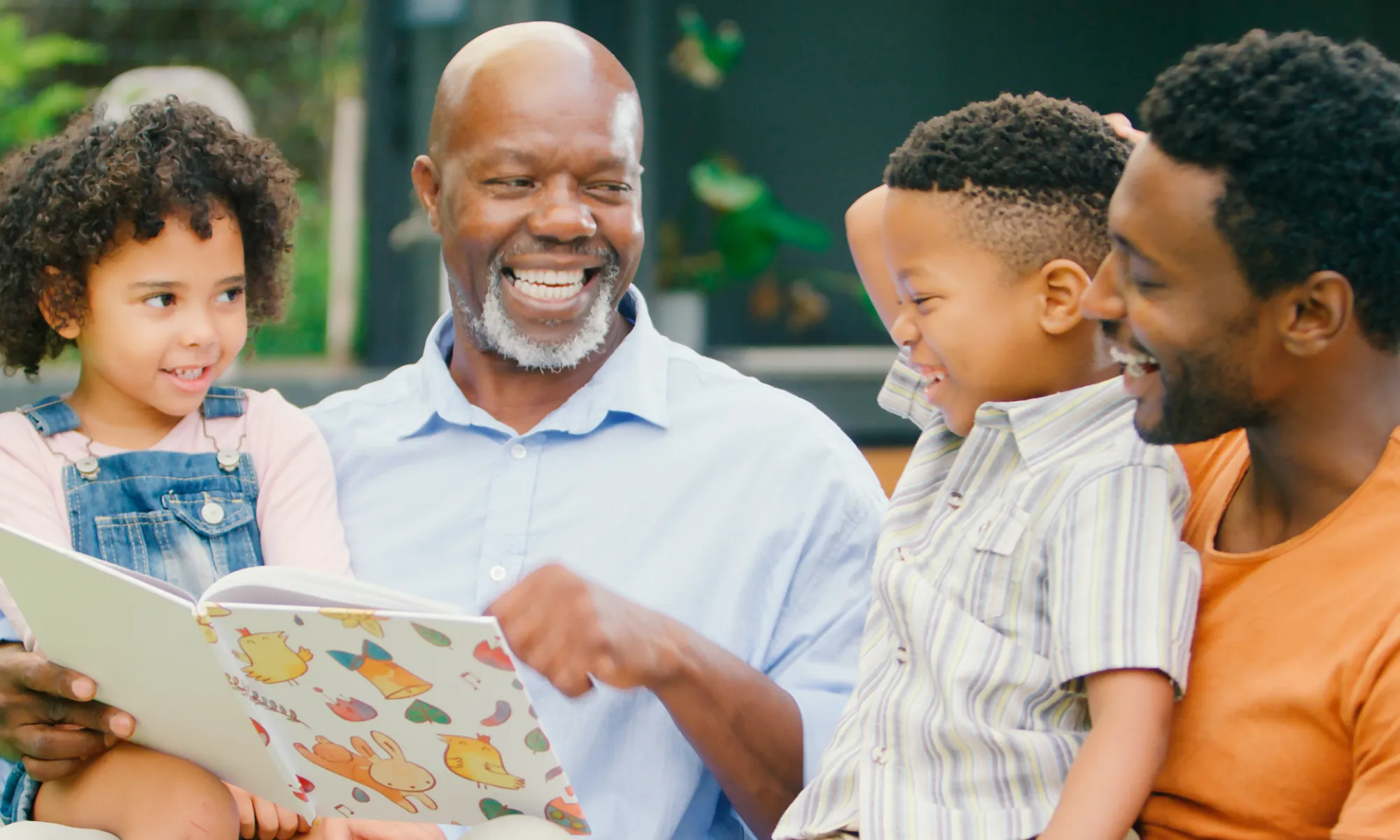
Who teaches a man how to father?
Here is the good news: fathering is learnable. It's learned the way every craft is learned – by apprenticeship. Watching. Copying. Asking. Failing next to someone who has failed before you and kept going.
Read more about Who teaches a man how to father?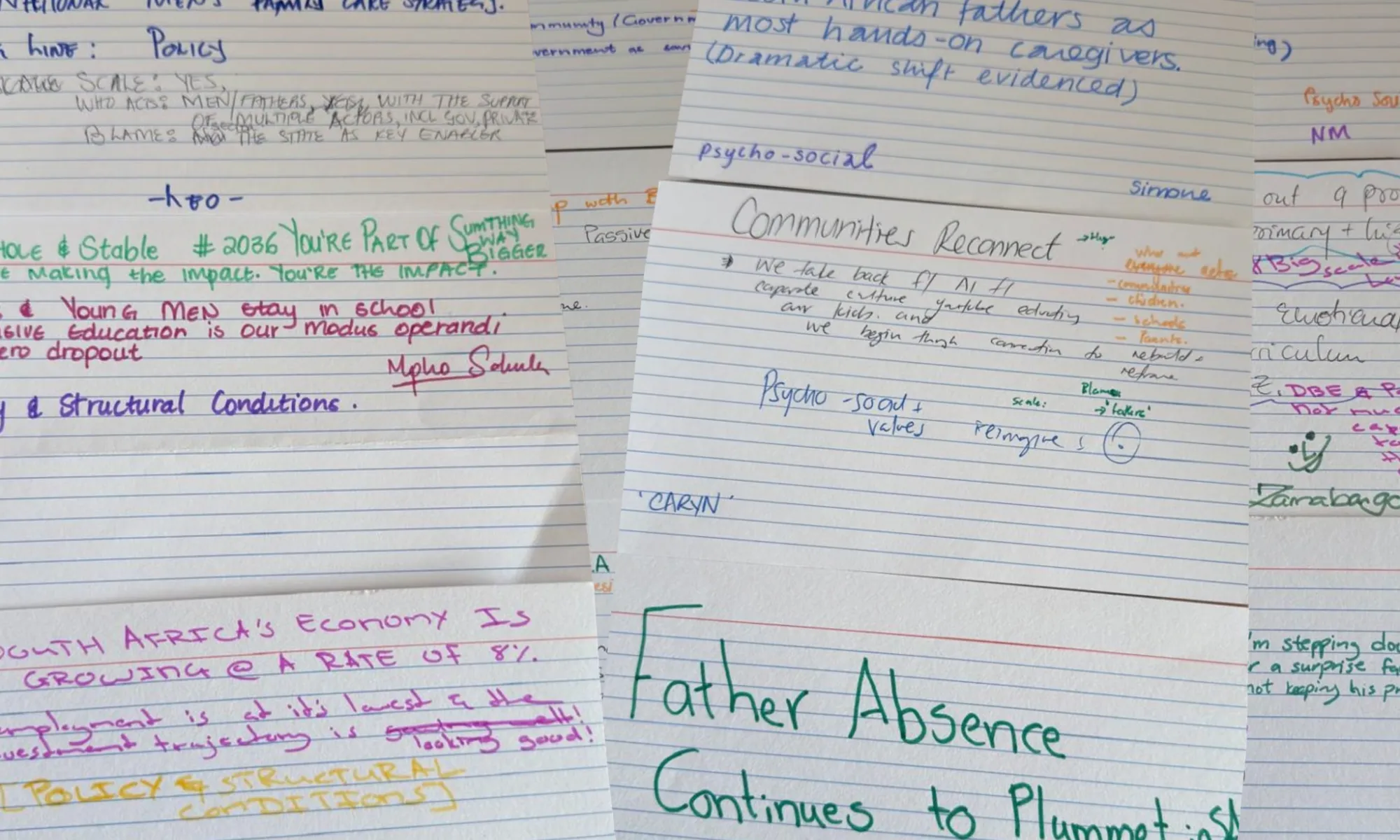
Heartlines hosts author workshop for fatherhood research publication
Head of Research at Heartlines, Livhuwani Maphorogo, convened a workshop for authors contributing to an upcoming Heartlines publication on interdisciplinary perspectives on fatherhood, masculinity and youth in South Africa.
Read more about Heartlines hosts author workshop for fatherhood research publication
Fathering my father
Themba has carried the strange inheritance of needing to father his father, and has come to believe that it means three different things. Read his powerful reflections.
Read more about Fathering my father
My lesson in true leadership
When one of his social fathers invited Lehlohonolo to a leadership moment, things didn't turn out quite as he'd expected. But he learnt a life-changing lesson that he still relies on today.
Read more about My lesson in true leadership
Where are the safe spaces that teach men how to father?
Fatherhood can sometimes feel quite lonely, because no one tells you how to father. When a woman gives birth her village automatically takes arm and offers support, advice, meal plans and encouragement. But as a new dad you can find yourself navigating this journey largely on your own.
Read more about Where are the safe spaces that teach men how to father?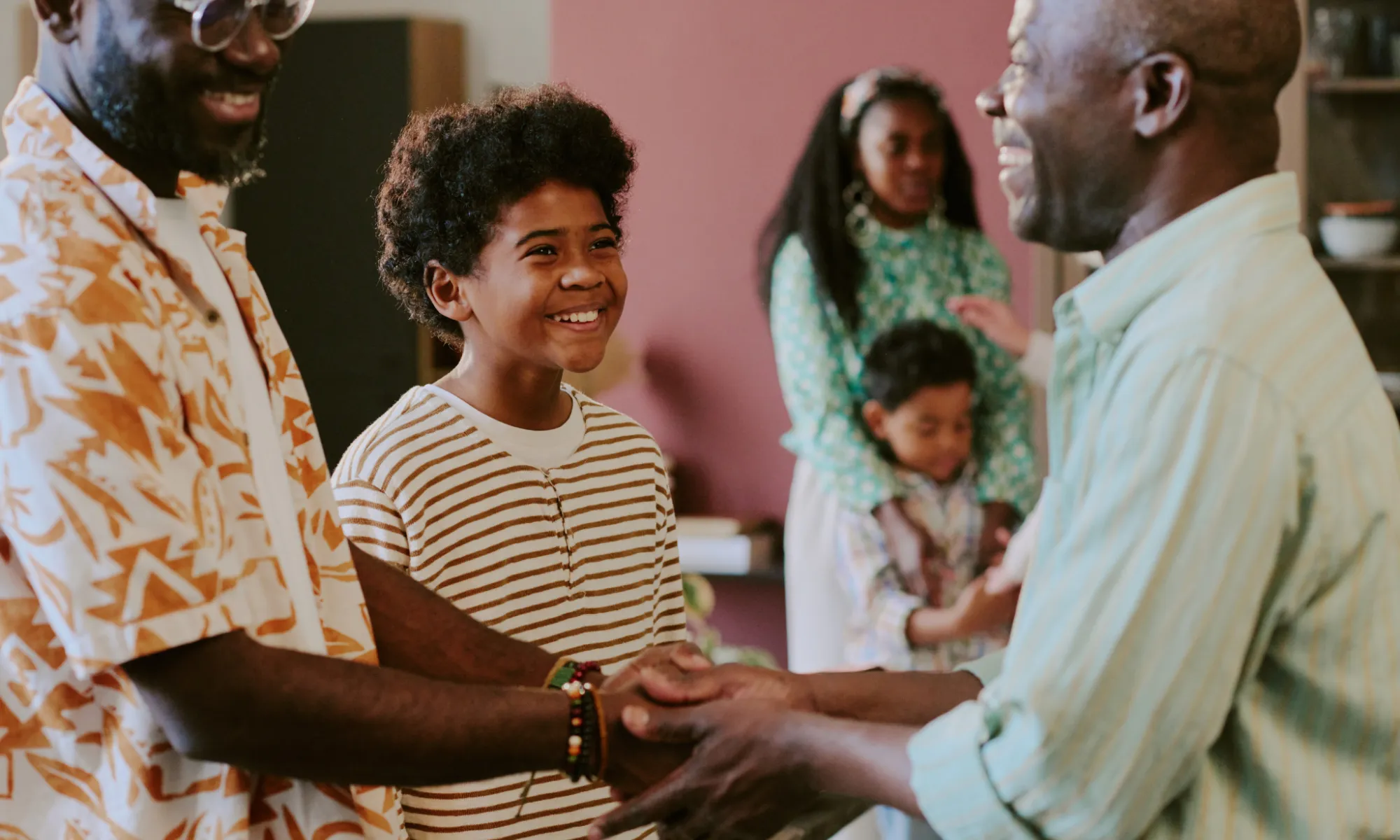
How biological fathers and stepfathers can successfully co-parent
Where there are “bonus parents” in a family, it's important for the dads, stepdads and other male caregivers to find ways to work together to make their co-parenting relationship beneficial for the child.
Read more about How biological fathers and stepfathers can successfully co-parent