Common challenges when trying to make co-parenting work
Being a father , Children , Co-parentingOur co-parenting blog series explores different experiences around co-parenting and how each family navigates the challenges that arise. In this part, educational psychologist and life coach, Tshepiso Matentjie, talks to us about the complexities of co-parenting and the impact of unresolved conflicts between co-parents on their children.
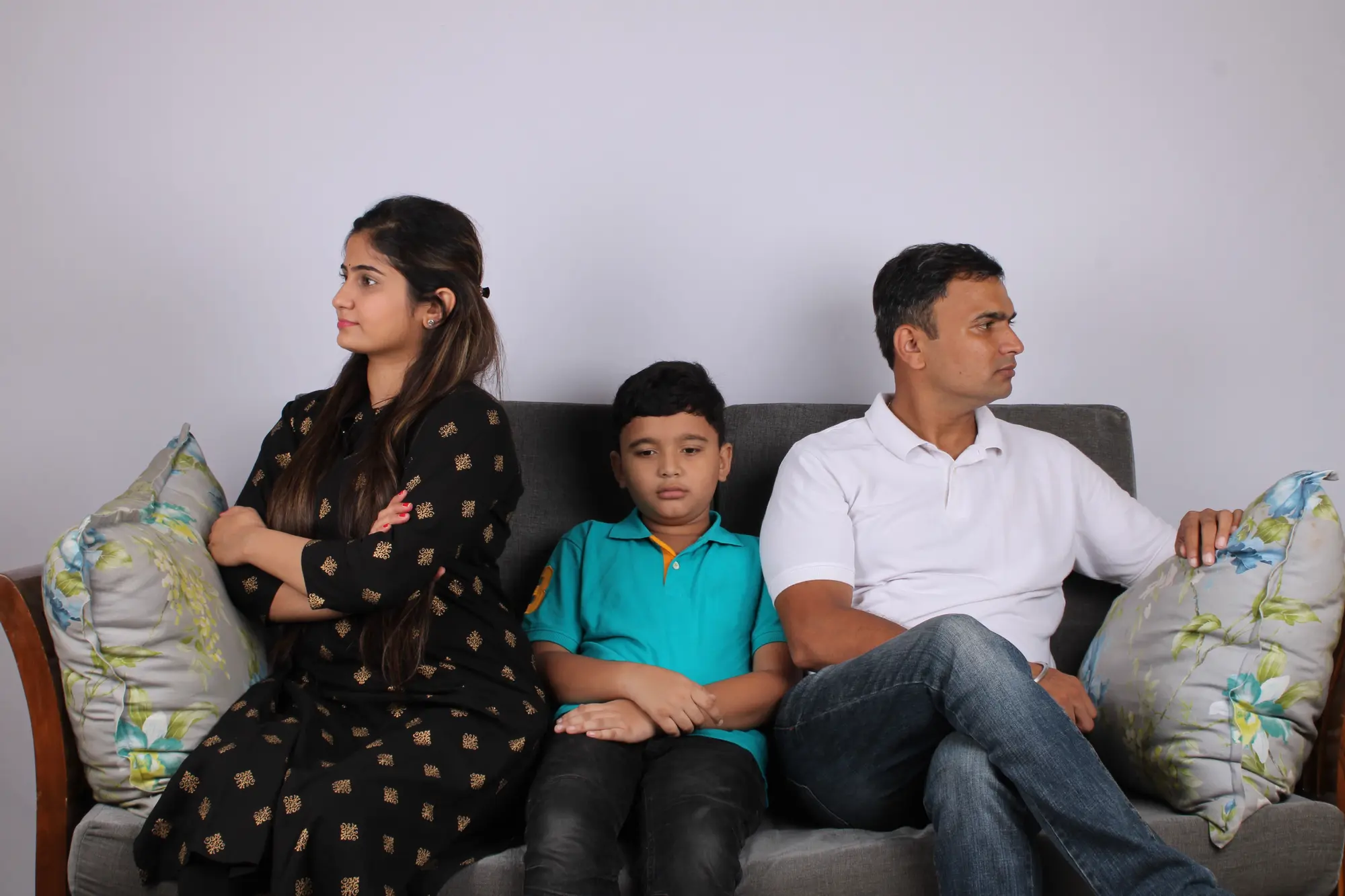
Navigating the issues around the history of the parents’ relationship is one of the major things that affects co-parenting dynamics. What often happens is that one person, who feels aggrieved by how the relationship panned out and how the breakup happened, ends up letting that contaminate how they show up as a co-parent, how they engage with their child and how they communicate.
We often encourage parents to go and deal with their own trauma with regards to the relationship. This helps parents to be present, to be aware and to self-correct with regards to what they bring into the dynamic between them and their ex and how that influences the way that they’re parenting. It changes how they engage on points of discord or dissonance. Very often, the emotional currency is amplified by whatever residual trauma is unresolved.
Differences in values
The second challenge has to do with values, particularly around the different approaches each person takes in parenting the child.
The way that the primary caregiver parents the child may differ from the other parent, who does not have primary residence but who sees the child on holidays or over weekends.
This is where we find that there's a difference in values. These are things around screen time, bedtime, and discipline with regards to chores and responsibilities. One parent might be a bit more relaxed while the other one is stricter. The parent who is the primary caretaker might have implemented a structure in terms of when bedtime is, for example, while the parent who has the child on an on-and-off basis does not want to be as strict with regards to discipline because they don't want to introduce conflict in their relationship since they have less time to spend with the child.
Extended family
The third challenge is the influence of extended family members. In my practice, I see a lot of primary caregivers having difficulty with that when the child goes to visit their other parent. You find that the one who has visitation and access is supposed to be the caregiver when the child is with them, but they instead almost outsource it to their external family members.
This creates a situation where the primary caregiver, which is typically the mom, has to co-parent with external extended family members rather than the actual co-parent. This creates nuances and complications because there is not really a primary source of accountability and responsibility. It's a team effort that hasn't necessarily been negotiated and the boundaries and expectations are not clear.
Finances
Lastly, finances are also a major complexity. We have parents who are physically there and provide financially, but are absent in terms of other duties. They've reduced their role to just material or financial provision, and that's how they show up.
Very often, because finances are a personal issue that is often not explicitly communicated about when people are no longer together in a relationship, it becomes one of the challenges that actually impacts how the co-parenting dynamic plays out.
However, these common issues don’t have to define the co-parenting relationship and there is always something that parents can do to write a different story for their children.
To find out what Tshepiso suggests to help co-parents overcome these challenges, click here.
Featured

When your father seems like a different man as a grandfather
Read more about When your father seems like a different man as a grandfatherYou may also like
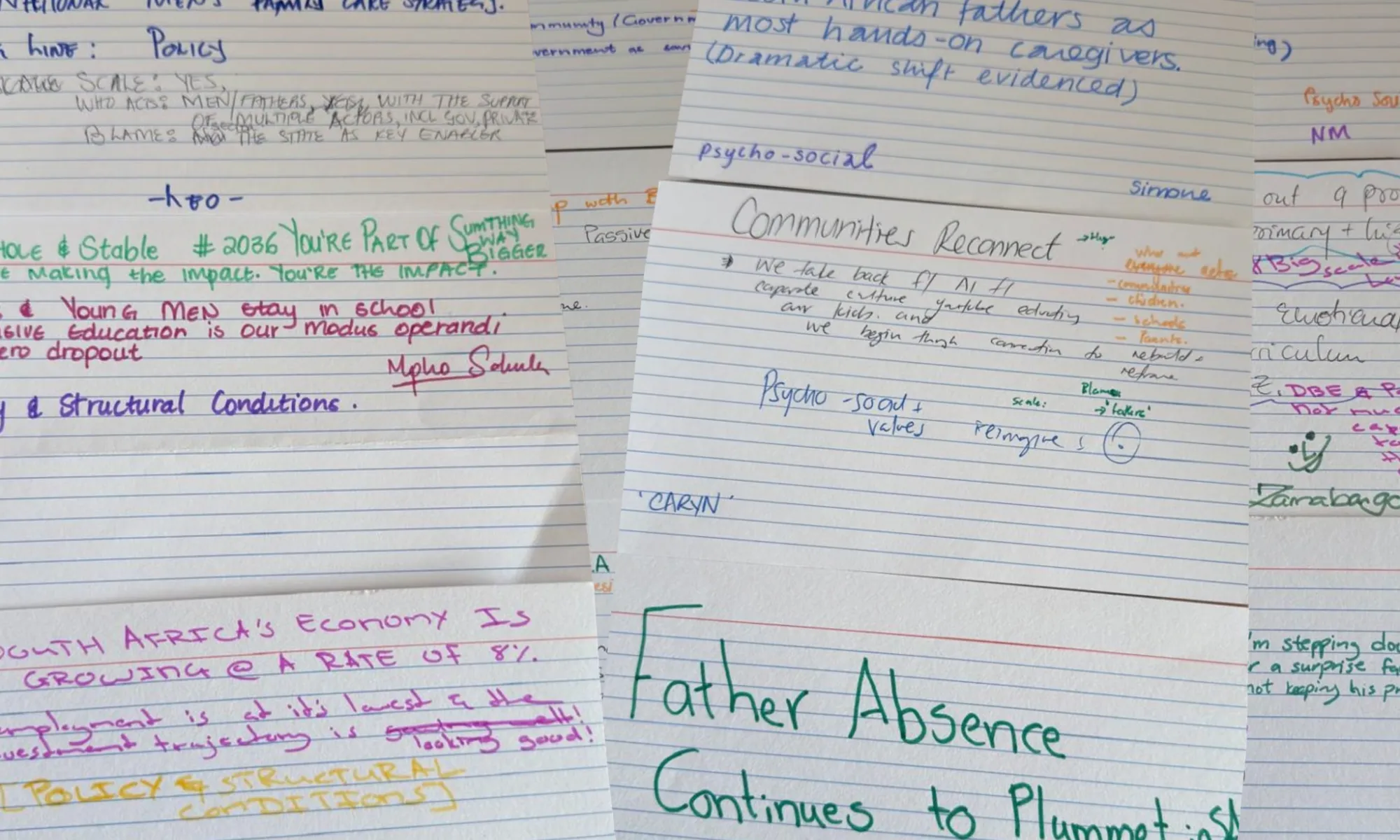
Heartlines hosts author workshop for fatherhood research publication
Head of Research at Heartlines, Livhuwani Maphorogo, convened a workshop for authors contributing to an upcoming Heartlines publication on interdisciplinary perspectives on fatherhood, masculinity and youth in South Africa.
Read more about Heartlines hosts author workshop for fatherhood research publication
Fathering my father
Themba has carried the strange inheritance of needing to father his father, and has come to believe that it means three different things. Read his powerful reflections.
Read more about Fathering my father
My lesson in true leadership
When one of his social fathers invited Lehlohonolo to a leadership moment, things didn't turn out quite as he'd expected. But he learnt a life-changing lesson that he still relies on today.
Read more about My lesson in true leadership
Where are the safe spaces that teach men how to father?
Fatherhood can sometimes feel quite lonely, because no one tells you how to father. When a woman gives birth her village automatically takes arm and offers support, advice, meal plans and encouragement. But as a new dad you can find yourself navigating this journey largely on your own.
Read more about Where are the safe spaces that teach men how to father?
How biological fathers and stepfathers can successfully co-parent
Where there are “bonus parents” in a family, it's important for the dads, stepdads and other male caregivers to find ways to work together to make their co-parenting relationship beneficial for the child.
Read more about How biological fathers and stepfathers can successfully co-parent
My father's love language
As we think about our father stories, it can help to remember that fathers are people, just like us. And sometimes, connection grows from understanding how they give and receive love.
Read more about My father's love language