How my father fathers vs. How my grandfather fathered
Grandfather vs father , Being a father , Children , CommunityParenting changes with every generation. What worked for one father might not work for another, and each dad brings his own unique touch to raising his kids. Emmanuel’s story is a beautiful example of how fathers adapt their parenting styles based on their own experiences – and how those changes can make all the difference.
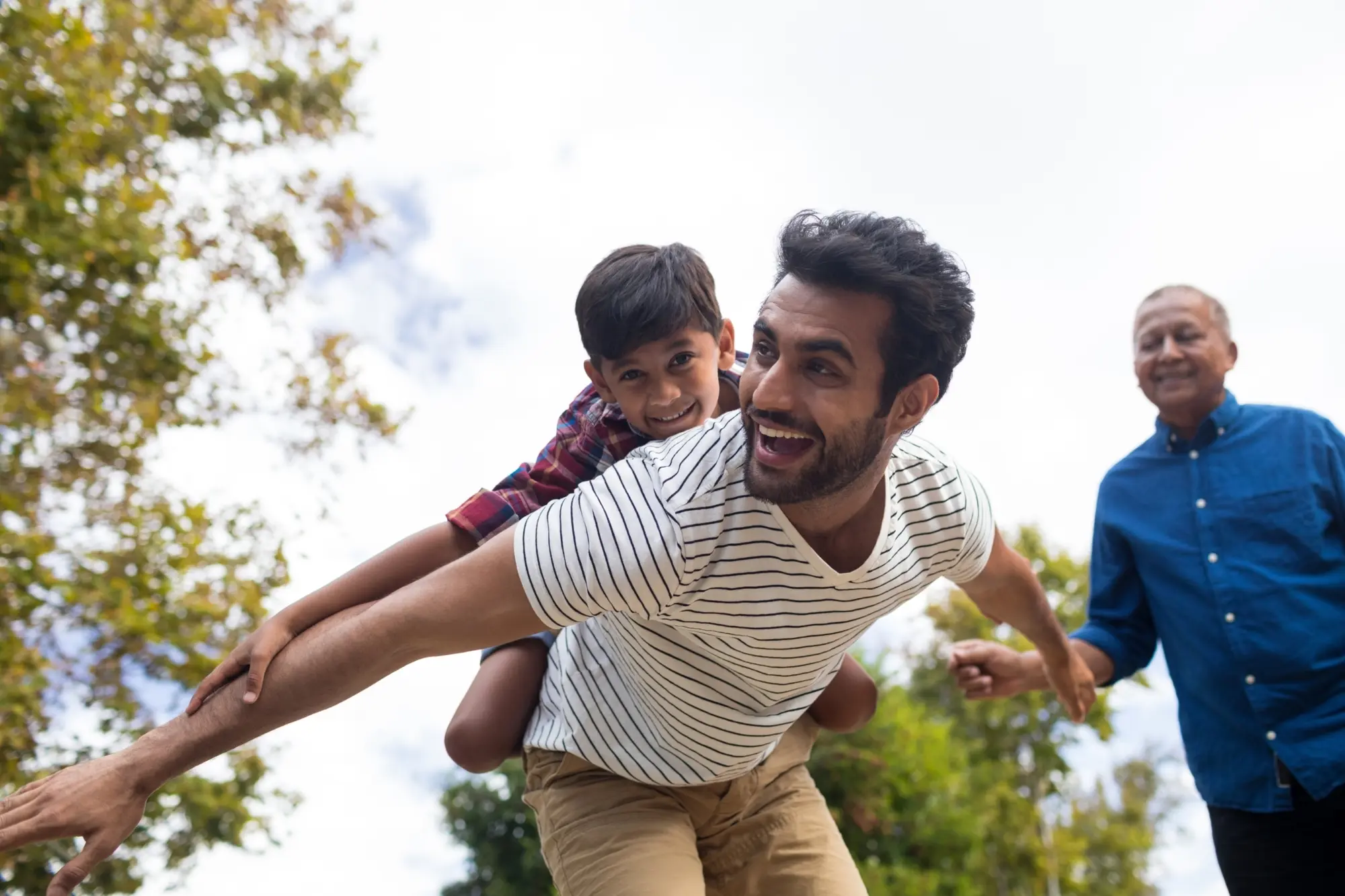
In Emmanuel’s family, his grandfather raised his father with a strong focus on discipline and responsibility. But when Emmanuel was growing up, his dad took a different approach – one that mixed structure with encouragement and plenty of opportunities to explore life. Here’s how these two generations of fathers shaped Emmanuel’s journey.
A grandfather who taught discipline
Emmanuel’s grandfather wasn’t his father’s biological dad, but he became the only father figure Emmanuel’s dad knew. When he married Emmanuel’s grandmother, he took on the responsibility of raising her teenage sons as his own.
“My dad always told me how my grandfather made sure he learned responsibility from a young age,” Emmanuel shares. “He’d have them fixing roofs, working in the garden, building fences, and even welding gates. These weren’t just chores – they were lessons in hard work and discipline.”
His grandfather worked in Polokwane, sending money home to support the family while they lived in a township. But when he was home, he made sure his children contributed to the household and understood the value of hard work. “My dad grew up learning that men had to work hard to take care of their families,” Emmanuel explains. “That’s how my grandfather raised him; to be responsible and contribute to the household from a young age.”
A father who gave freedom
When it came to raising Emmanuel, his father carried forward these lessons of discipline and responsibility – but he also wanted to give his son something beyond that. “My father encouraged me to be active and explore my interests,” Emmanuel says. After school, he would head to LoveLife, a South African youth programme where he played basketball, danced, and even tried chess. On weekends, his parents would come to watch him play hockey matches against other schools.
During school holidays, Emmanuel’s father sent him to visit cousins in the city, giving him pocket money to enjoy things like going to the movies, bowling and exploring urban life. “He wanted me to experience things he never got to do as a child,” Emmanuel reflects.
While Emmanuel’s father valued responsibility, he also gave his son the chance to enjoy being a child. “I think my father wanted me to understand responsibility but also to have the chance to just be a kid and enjoy life,” he says.
The differences between Emmanuel’s father and grandfather highlight how fatherhood evolves over time.
Two different paths to fatherhood
The differences between Emmanuel’s father and grandfather highlight how fatherhood evolves over time. Emmanuel’s grandfather, as a social father, focused on survival and preparing his children for the challenges of life through hard work and discipline. Emmanuel’s father built on those lessons but adapted them to create a more nurturing and supportive environment for his son. “My grandfather expected my dad to take on adult responsibilities at 16,” Emmanuel explains, “But my father gave me space to grow at my own pace.”
Looking back, Emmanuel sees how both his father and grandfather shaped his life in unique ways. From his grandfather, he learned the importance of hard work and responsibility. From his father, he learned the value of balance – between discipline and freedom, responsibility and joy.
Building a legacy of fatherhood
Now, Emmanuel carries those lessons forward. “My father showed me that you don’t have to raise your kids the same way you were raised,” Emmanuel says. Instead, “You can take the good lessons and add your own, based on the kind of environment you want your child to grow up in.”
Emmanuel’s story shows us that every father has the chance to leave something meaningful behind – a legacy built on love, growth and resilience. It’s about shaping the lives of your children and even their children in ways that matter.
What will your legacy of fatherhood look like?

David Nyland
David is a sensitive and intuitive copywriter with experience in marketing and advertising. He has a passion for crafting compelling content that resonates with audiences.
Featured
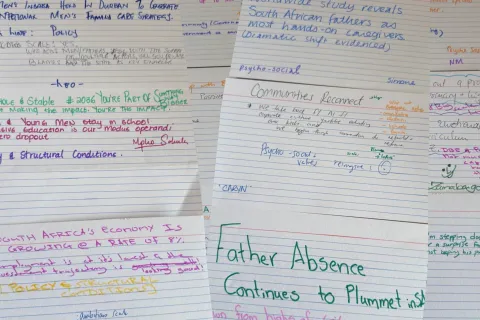
Heartlines hosts author workshop for fatherhood research publication
Read more about Heartlines hosts author workshop for fatherhood research publicationYou may also like
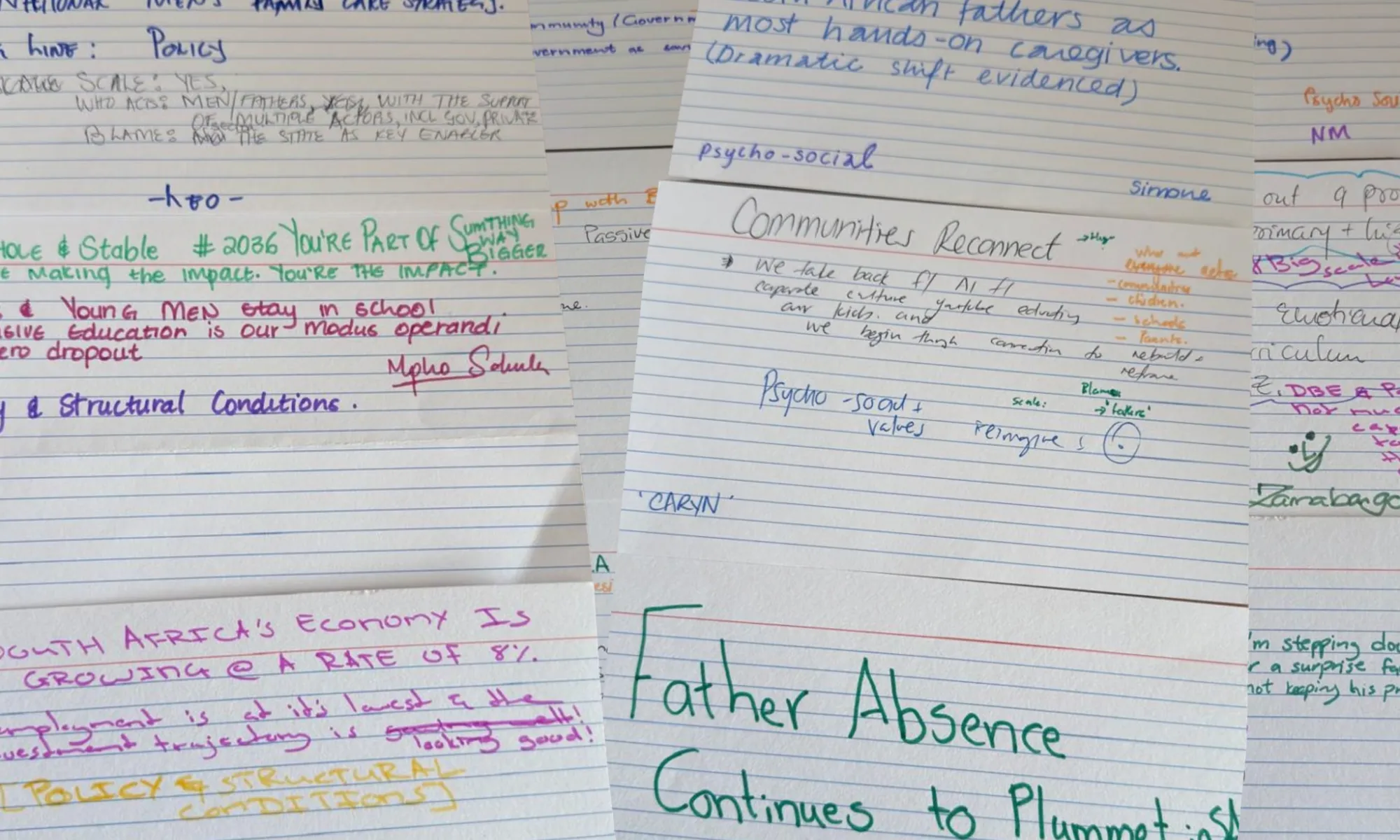
Heartlines hosts author workshop for fatherhood research publication
Head of Research at Heartlines, Livhuwani Maphorogo, convened a workshop for authors contributing to an upcoming Heartlines publication on interdisciplinary perspectives on fatherhood, masculinity and youth in South Africa.
Read more about Heartlines hosts author workshop for fatherhood research publication
Fathering my father
Themba has carried the strange inheritance of needing to father his father, and has come to believe that it means three different things. Read his powerful reflections.
Read more about Fathering my father
My lesson in true leadership
When one of his social fathers invited Lehlohonolo to a leadership moment, things didn't turn out quite as he'd expected. But he learnt a life-changing lesson that he still relies on today.
Read more about My lesson in true leadership
What going to the mountains can teach our boys about becoming men
Initiation Series: Part 2
This second article in our initiation series looks at what boys can learn about becoming men who lead well from their time at initiation school.
Read more about What going to the mountains can teach our boys about becoming men
Where are the safe spaces that teach men how to father?
Fatherhood can sometimes feel quite lonely, because no one tells you how to father. When a woman gives birth her village automatically takes arm and offers support, advice, meal plans and encouragement. But as a new dad you can find yourself navigating this journey largely on your own.
Read more about Where are the safe spaces that teach men how to father?
When your son goes to the mountain: Why single mothers need support too
Initiation Series: Part 1
This first article in our initiation series looks at the experiences of single mothers as their sons take an important step in their journey to adulthood.
Read more about When your son goes to the mountain: Why single mothers need support too