Building your child’s emotional toolkit for school
Being a father , Children , BullyingWe know about the uniforms and stationery, but one of the most important things we can help our kids prepare is their emotional toolkit. In South African classrooms and playgrounds, children learn more than the curriculum. They learn how to handle friendships, face challenges, and build skills like communication, empathy, resilience, and problem-solving.
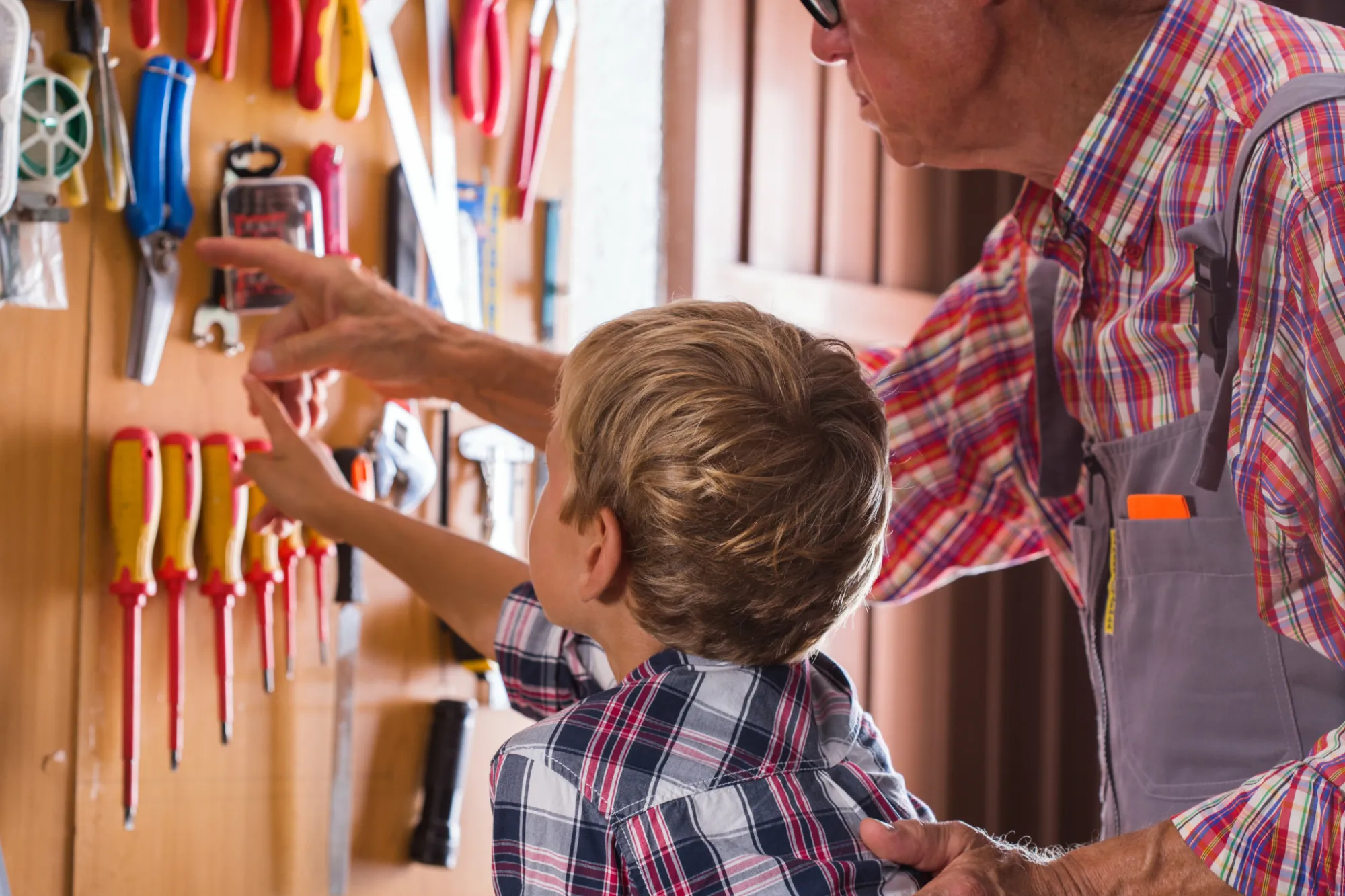
As a father or father figure, you have a powerful influence on your child’s emotional and relational development. You can help to build their confidence and prepare them to handle life’s challenges. Here are some practical ways you can support your child’s growth as they start a new school year.
Navigating friendships at school
School friendships are one of your child’s first communities outside your home. Talk to them about choosing friends who are kind, respectful and supportive. You can start the conversation by asking them how they feel around different people.
If your child says that their friends make them feel happy, included and safe, then encourage them to stay in those relationships. If your child feels uneasy, nervous or stressed when they’re with certain friends, then encourage them to explore making new ones.
Dealing with bullying
Bullying remains a painful reality in many schools, and often mirrors violence in our communities. As expert Matsetsebale Tleane says, many children feel reporting it does nothing, so they retaliate and the cycle continues.
If your child is being bullied or sees another child being bullied, encourage them to break this cycle by speaking to a trusted adult. Explain that asking for help is not a weakness. It is a way to keep themselves and others safe. We must also teach our children, especially boys, that true strength is found in respect and kindness, not in fear or dominance.
Confronting peer pressure
Peer pressure can make children feel forced to act against their values, break rules, or fit in in ways that feel wrong. Teach your child that standing firm and saying no to bullying or peer pressure can be difficult – and it may even make them unpopular at times.
But let them know that this is okay, and that true friends will respect that they are doing what is right. Having honest conversations with your child about peer pressure and how it can push them toward unkind or risky behaviour if they don’t say no sometimes will help develop their sense of right and wrong.
Looking past comparisons
In a world where it’s easy for kids to notice who has the newest toy, the best grades, or the most friends, it can be really tough to feel okay with being different. One way to help your child is to shift the focus from "How do I compare to everyone else?" to "Am I growing and doing my best?" Celebrate their effort, not just the result – like when they stick with a tricky puzzle, try something new, or show kindness to a friend.
When kids learn to value their own progress, they become more adaptable and confident. They start to see that everyone has their own challenges and that it is okay to move at their own pace. Along the way, they also learn empathy, and start to understand that even though someone else seems to have it all, they have their own struggles too.
Treating teachers with respect
As a parent, you may carry your own difficult memories from school, especially around your experiences with teachers. You can help your child have a different experience by showing them a more positive way to connect with authority figures. Let your child know that teachers are supposed to be adults they can trust to help them learn and keep them safe while at school.
You can show them how to talk to and interact with teachers at school by modelling good manners and polite behaviour. When you talk to their teachers or other trusted adults at school such as sports coaches or aftercare staff calmly and respectfully, your child sees how adults can be fair, supportive, and reliable. This teaches them how to recognise and build relationships with safe adults in their life.
Creating a routine at home
Having a simple, predictable after school routine helps your child feel safe and regulate their emotions when they get home from school. A routine could include time for snacks, homework, chores and free play.
Following the same basic plan each day also teaches important life skills like organisation and time management. But more importantly, it helps them become adaptable to change outside of the home. When kids have a reliable foundation at home, they can handle unexpected challenges at school better.
The power of emotional connection
Instead of asking “How was school?” which can feel too big, try more specific questions like “What was something good today?” “Did anything feel tough?” or “Who did you spend time with?” Then really listen, giving your full attention without jumping in to fix or advise.
Research from Fathers Matter shows that children benefit greatly when caregivers are emotionally present. Even small, everyday moments of attention and care help them feel valued, understood and safe. This emotional connection strengthens their resilience, supports their communication and reflection skills, and gives them the confidence to face challenges at school and in life.
Featured

How the women in my life have made me a better father
Read more about How the women in my life have made me a better fatherYou may also like
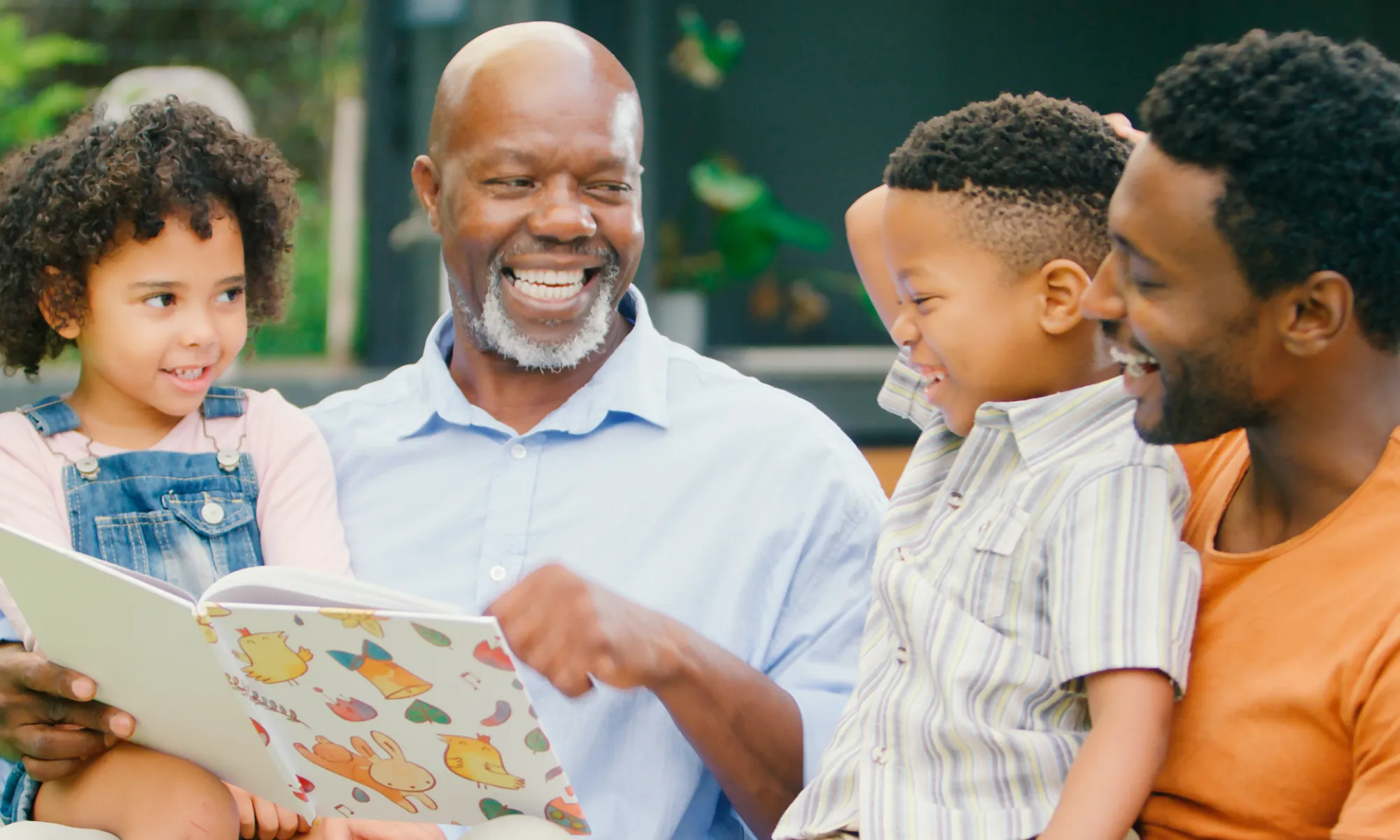
Who teaches a man how to father?
Here is the good news: fathering is learnable. It's learned the way every craft is learned – by apprenticeship. Watching. Copying. Asking. Failing next to someone who has failed before you and kept going.
Read more about Who teaches a man how to father?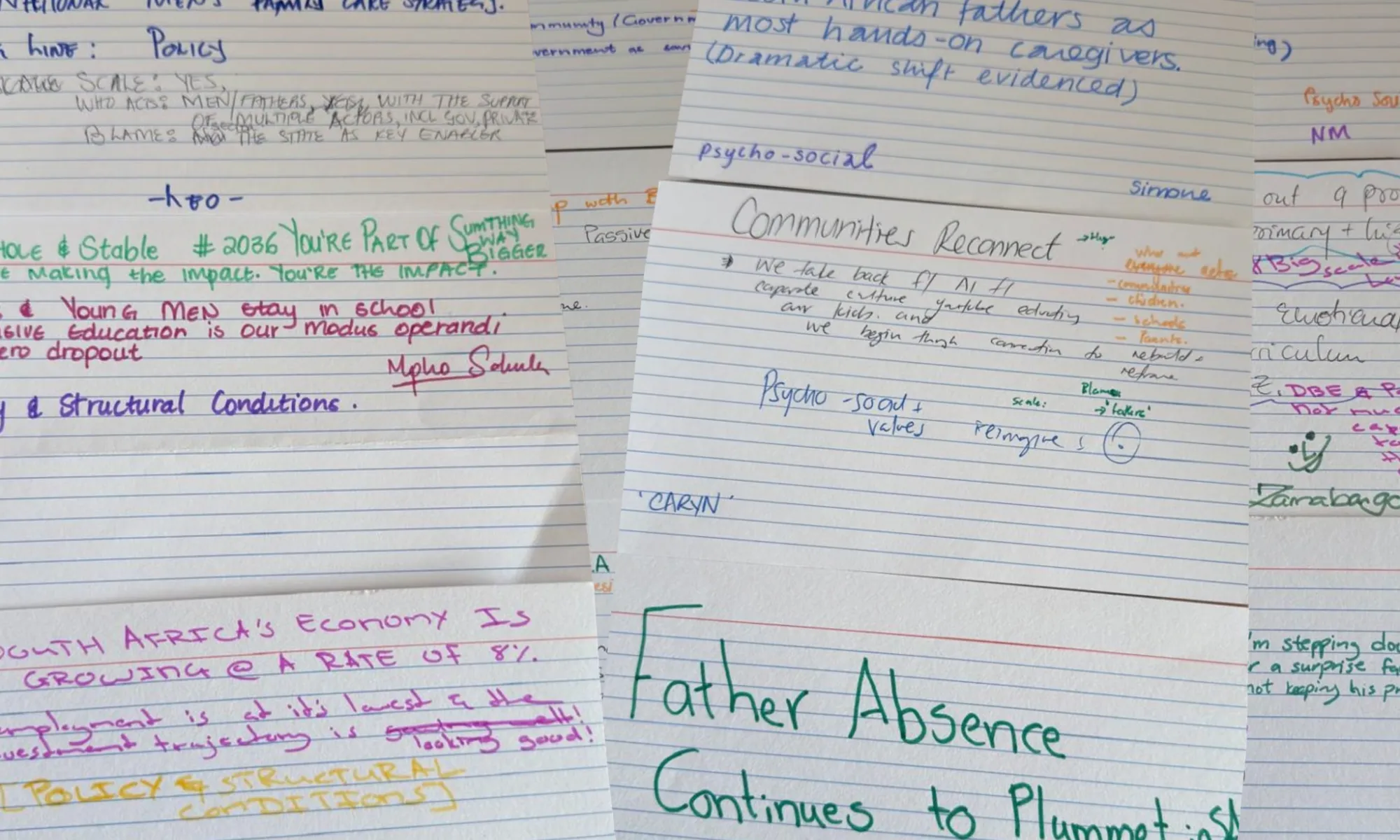
Heartlines hosts author workshop for fatherhood research publication
Head of Research at Heartlines, Livhuwani Maphorogo, convened a workshop for authors contributing to an upcoming Heartlines publication on interdisciplinary perspectives on fatherhood, masculinity and youth in South Africa.
Read more about Heartlines hosts author workshop for fatherhood research publication
Fathering my father
Themba has carried the strange inheritance of needing to father his father, and has come to believe that it means three different things. Read his powerful reflections.
Read more about Fathering my father
My lesson in true leadership
When one of his social fathers invited Lehlohonolo to a leadership moment, things didn't turn out quite as he'd expected. But he learnt a life-changing lesson that he still relies on today.
Read more about My lesson in true leadership
Where are the safe spaces that teach men how to father?
Fatherhood can sometimes feel quite lonely, because no one tells you how to father. When a woman gives birth her village automatically takes arm and offers support, advice, meal plans and encouragement. But as a new dad you can find yourself navigating this journey largely on your own.
Read more about Where are the safe spaces that teach men how to father?
My father's love language
As we think about our father stories, it can help to remember that fathers are people, just like us. And sometimes, connection grows from understanding how they give and receive love.
Read more about My father's love language