What to do with your feelings when everything is not ok
Being a father“Culturally, men have been groomed for the longest time to be tough, not to show their feelings, to be strong and independent. So then it becomes very hard for most to be vulnerable – especially in a time of need.”
Life can be tough.
Without the freedom to express vulnerability, how do men typically deal with the heaviness that comes with these challenges, especially the loss of a job and the resulting inability to provide for their families?
Clinical psychologist Shai Friedland says that instead of talking about them, some men try to numb their feelings with behaviour that will distract them. This may include drinking, drugs, working excessively – or simply watching hours of television. Because mental health issues don’t visibly affect us in the same way as other illnesses, there is a perception that if you don’t see it, it’s not there. Anyone struggling mentally may feel ashamed or weak and therefore avoid, rather than engage with, the feelings they are experiencing.
“The idea is to expose yourself to an emotion. The more you avoid feeling an emotion, the more likely it is to lead to a breakdown. While feeling an emotion is tough over the short term, it is more beneficial in the long term as it will help you develop better coping mechanisms,” says Friedland.
According to the South African Depression and Anxiety Group, signs that someone is experiencing depression may include:
- A loss of interest or enjoyment in doing things that they previously liked doing.
- Being unable to sleep or sleeping a lot.
- An increased or decreased appetite.
- Feelings of hopelessness.
- Decreased energy, irritability or restlessness.
- Increased use of alcohol and drugs.
Sometimes, there may be ongoing physical symptoms that don’t go away after treatment – such as headaches, chronic pain and digestive disorders. “A change in character is always a sign. For example, if they used to love dressing up, then suddenly they become unbothered by how they look,” says Ndima. He adds that uncharacteristic extreme or reckless behaviour, like impulsive shopping or excessive drinking, may also be an indication that someone is trying to cope with feelings of depression.
If any of these resonate with you, it’s important to reach out. Tell a loved one or trusted friend, or contact one of the organisations below for help.
For practical tips on how to respond to difficult emotions, read this companion article.
How to help others feeling this way
If someone you love or know is experiencing difficult emotions, make sure that they know they can trust you. “Assurance and trust is the key to get someone to open up and get help”, advises Ndima. “We need to change the narrative and make men understand that it is okay to be vulnerable – this does not mean that they are weak”, he says.
Friedland points out that while there’s a cultural and traditional assumption that a man will provide, we need to accept that this idea needs to change, and that it is also okay for other members of the family to provide. Relieving a person of these expectations around provision when they are unable to provide due to circumstances beyond their control may also be helpful for them mentally and emotionally.
Reach out to the following organisations:
- The South African Depression and Anxiety Group(SADAG) has great resources and free telephonic counselling. Call the 24-hour helpline on 0800 456 789 or WhatsApp 076 882 2775 for assistance.
- The Bongs Ndima Foundation was founded to address and create awareness around depression and anxiety amongst South African men. WhatsApp 076 690 5884 to get in touch.

Heartlines
At Heartlines, the Centre for Values Promotion, we believe in the power of story and positive values to touch hearts and transform behaviour.
Featured
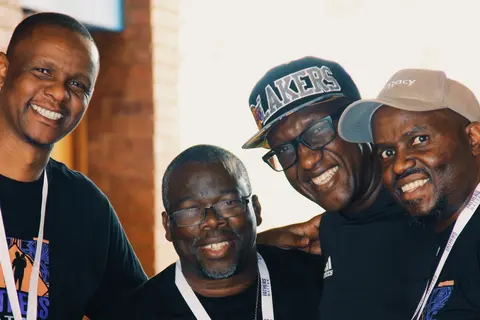
Creating safe spaces for men to share and learn
Read more about Creating safe spaces for men to share and learnYou may also like
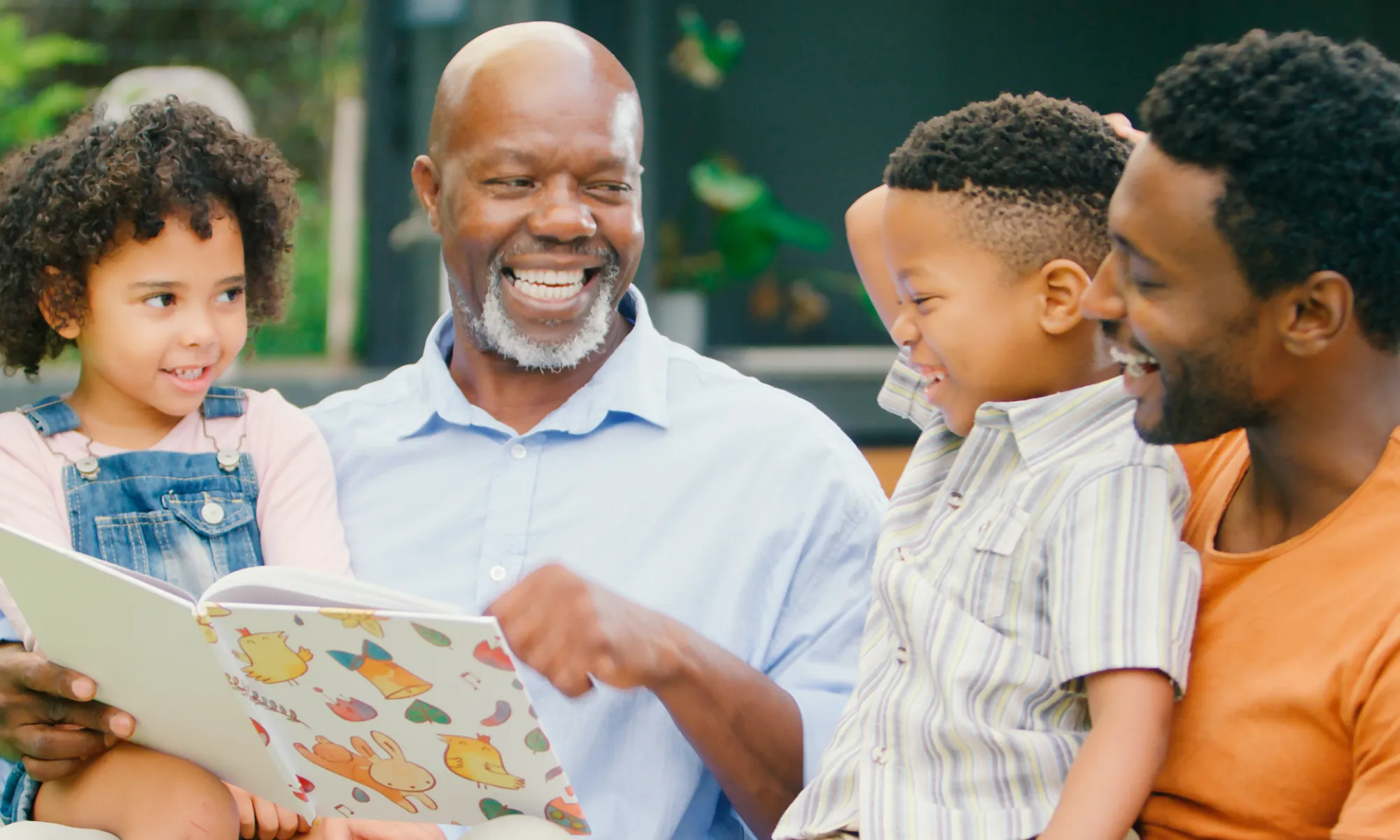
Who teaches a man how to father?
Here is the good news: fathering is learnable. It's learned the way every craft is learned – by apprenticeship. Watching. Copying. Asking. Failing next to someone who has failed before you and kept going.
Read more about Who teaches a man how to father?
Fathering my father
Themba has carried the strange inheritance of needing to father his father, and has come to believe that it means three different things. Read his powerful reflections.
Read more about Fathering my father
My lesson in true leadership
When one of his social fathers invited Lehlohonolo to a leadership moment, things didn't turn out quite as he'd expected. But he learnt a life-changing lesson that he still relies on today.
Read more about My lesson in true leadership
Where are the safe spaces that teach men how to father?
Fatherhood can sometimes feel quite lonely, because no one tells you how to father. When a woman gives birth her village automatically takes arm and offers support, advice, meal plans and encouragement. But as a new dad you can find yourself navigating this journey largely on your own.
Read more about Where are the safe spaces that teach men how to father?
I am a father: Reflections on fatherhood, legacy and presence
I owe my being to the love and bond with my children, the joys and challenges of raising them, the precious moments and shared experiences that define the essence of fatherhood.
Read more about I am a father: Reflections on fatherhood, legacy and presence
'I grew up without a father and I turned out fine'
We are very sure about fatherlessness, and that's a problem. Themba Dlamini shares how one radio conversation exposed a national blind spot about faterhood in South Africa.
Read more about 'I grew up without a father and I turned out fine'