How to teach your child the value of honesty
Children , Being a father , DisciplineDo all children lie? When should you as a parent or guardian intervene? And, most importantly, how do you handle a dishonest child?

Children, like adults, lie because they want to get out of trouble or be liked. Sometimes they lie because they are trying to test your boundaries as a parent or because they are seeking attention.
Even though psychologists and other parents may reassure you that lying is common for kids and is a normal part of their development, this does not mean that you should ignore the behavior.
By teaching your child the value of being honest, you are helping them learn that honesty helps build trust and more reliable relationships with family, friends and others.
Here are a few ways for you to encourage honesty in your child at any age:
Model honesty: Children learn by observing adults. Be honest in your own actions and words. Show integrity in your interactions and admit your mistakes when they happen.
Create a safe environment: Ensure your child feels safe to speak the truth without fear of harsh punishment or judgment. Encourage open communication and make it clear that mistakes are a part of learning.
Praise honesty: Reinforce honest behavior with positive reinforcement. Praise your child when they tell the truth, even if the truth is difficult or leads to a hard consequence.
Avoid overreacting: If your child admits to something that might lead to a negative consequence, try to stay calm and handle the situation constructively. Overreacting can make them fear honesty and lead to more lying. For example, dads usually react with excessive anger or disappointment in response to rule-breaking or poor performance. Instead of yelling or disciplining your child negatively, try to calmly talk to them and correct their behaviour by showing them what the consequences of lying are.
Teach the value of honesty: Explain why honesty is important, not just in terms of avoiding punishment but for building trust and maintaining good relationships. Use examples and stories to illustrate the benefits of being truthful.
Encourage responsibility: Teach your child to take responsibility for their actions. Help them understand that owning up to mistakes is a sign of strength and maturity.
Use role-playing: Make up scenarios to practice honest communication that you can act out together. This can help your child navigate situations where honesty is important. For example, if your child accidentally breaks a vase and is tempted to hide it. You can play the role of the parent who discovers the broken vase, while your child plays themselves. Show them how to handle the situation honestly by encouraging them to rather tell you what happened and discuss the outcomes of honest versus dishonest behavior. For example if your child’s response is:
Honest, say this: "Thank you for telling me the truth. It was an accident, and we can clean it up together and think of a way to fix it."
Dishonest, say this: "If you had tried to hide it, we would have had a harder time solving the problem, and it might have made things worse."
Set clear expectations: Make it clear that honesty is a core value in your family. Establishing this expectation helps children understand that telling the truth is a fundamental.
Discuss consequences: Help your child understand the natural consequences of dishonesty, such as loss of trust or problems in relationships. Also, discuss the positive outcomes of honesty, like trust and respect from others.
Be patient: Developing honesty is a process, and it takes time. Be patient with your child as they learn and grow, and provide guidance along the way.
Even though it is common for all children to tell 'a little white lie', what is important is to teach them the value of honesty. Remember that teaching your child the value of being honest while they are still young teaches them how to resolve situations without having to rely on lying their way out of it.
For more tips and resources on fatherhood and parenting, sign up for our Fathers Matter Coach by clicking here or sending "Hi" to 060 058 2107 on WhatsApp.

Bonolo Mokua
Bonolo is a multimedia journalist and content creator at Heartlines. She has experience in online and radio media production and helps spread the Heartlines message on multiple platforms.
Featured
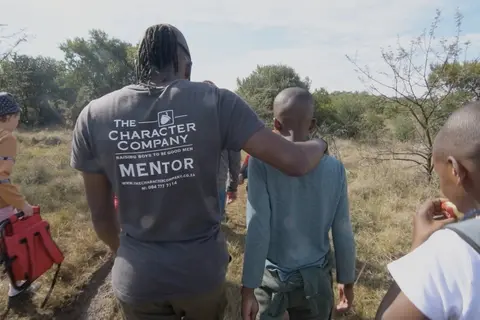
We want men to have a positive impact in children's lives
Read more about We want men to have a positive impact in children's livesYou may also like
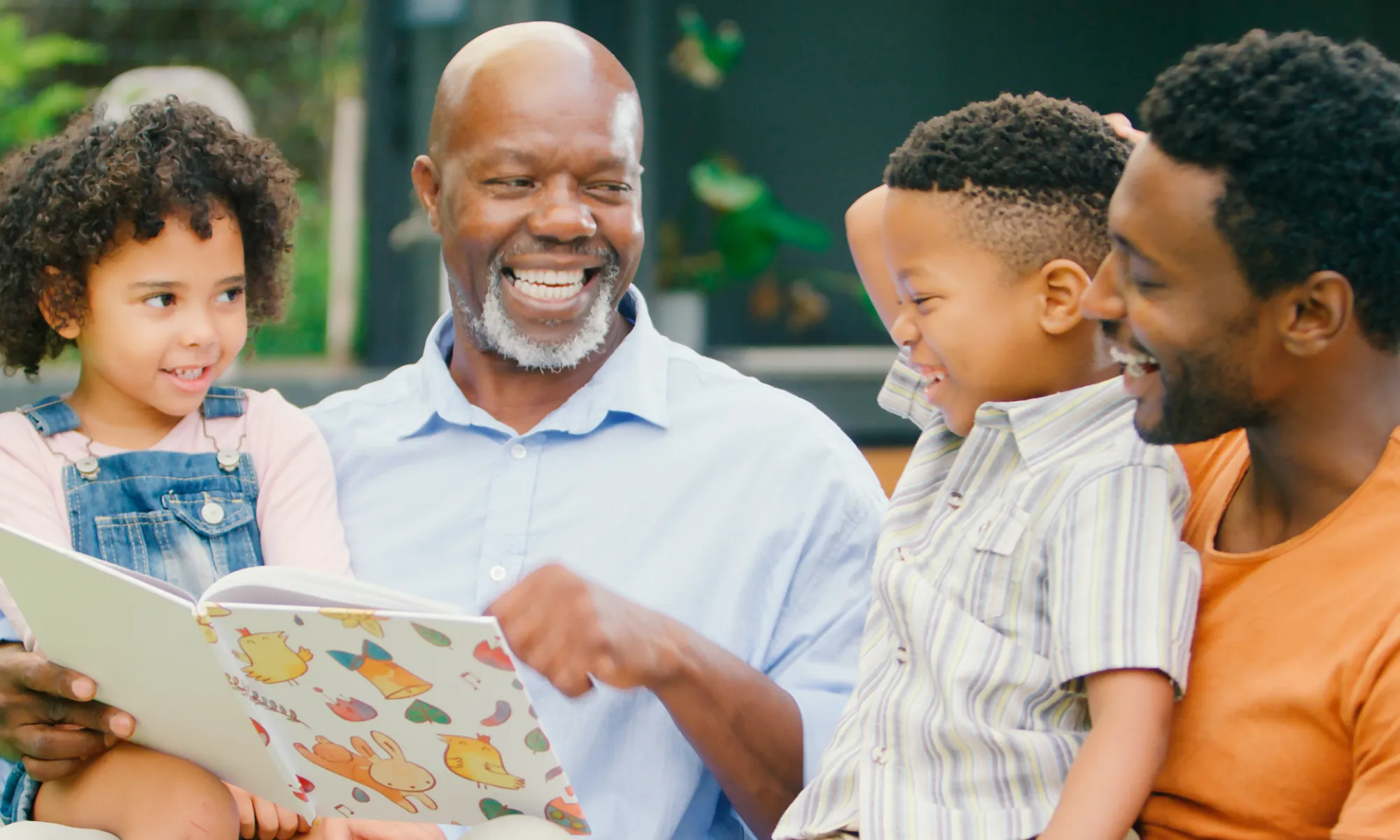
Who teaches a man how to father?
Here is the good news: fathering is learnable. It's learned the way every craft is learned – by apprenticeship. Watching. Copying. Asking. Failing next to someone who has failed before you and kept going.
Read more about Who teaches a man how to father?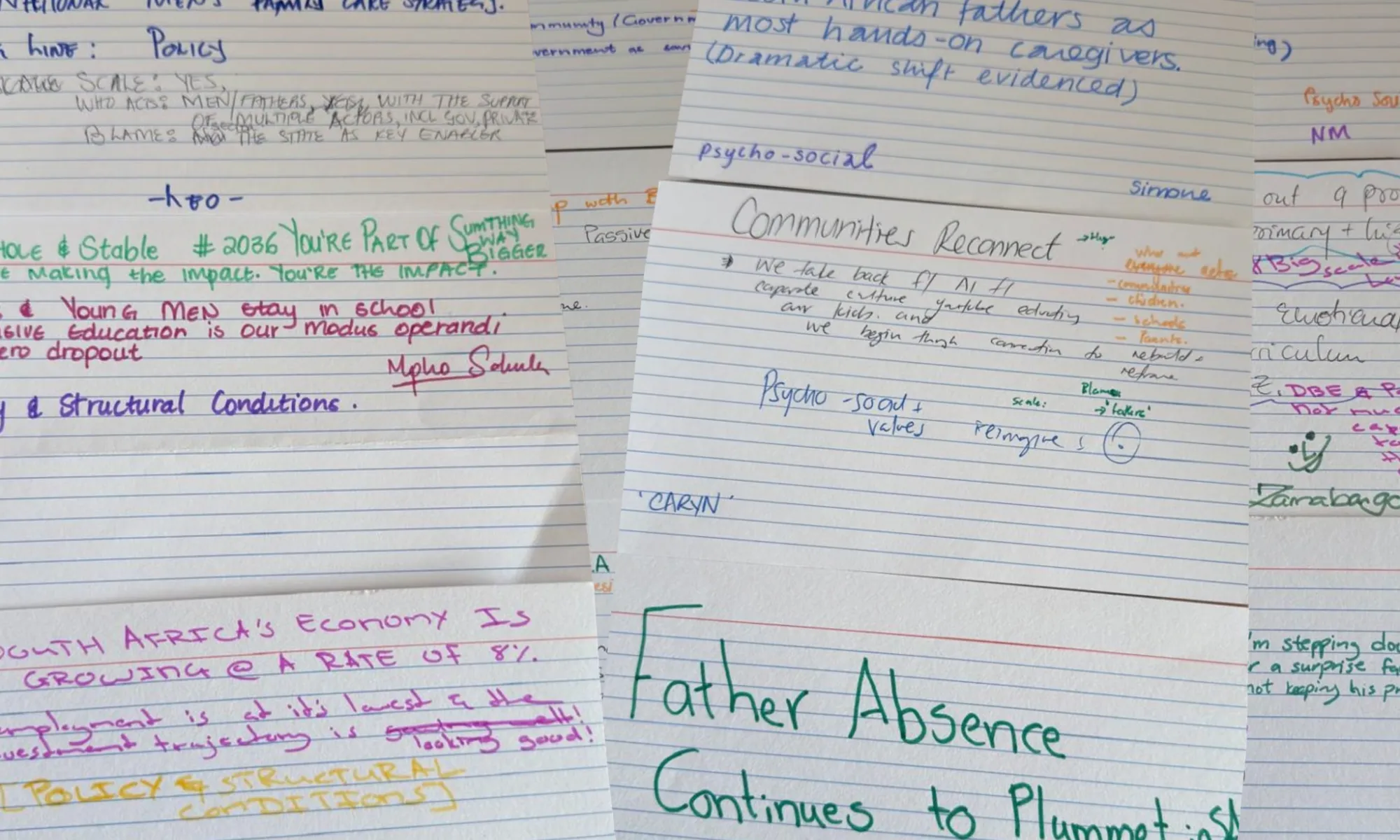
Heartlines hosts author workshop for fatherhood research publication
Head of Research at Heartlines, Livhuwani Maphorogo, convened a workshop for authors contributing to an upcoming Heartlines publication on interdisciplinary perspectives on fatherhood, masculinity and youth in South Africa.
Read more about Heartlines hosts author workshop for fatherhood research publication
Fathering my father
Themba has carried the strange inheritance of needing to father his father, and has come to believe that it means three different things. Read his powerful reflections.
Read more about Fathering my father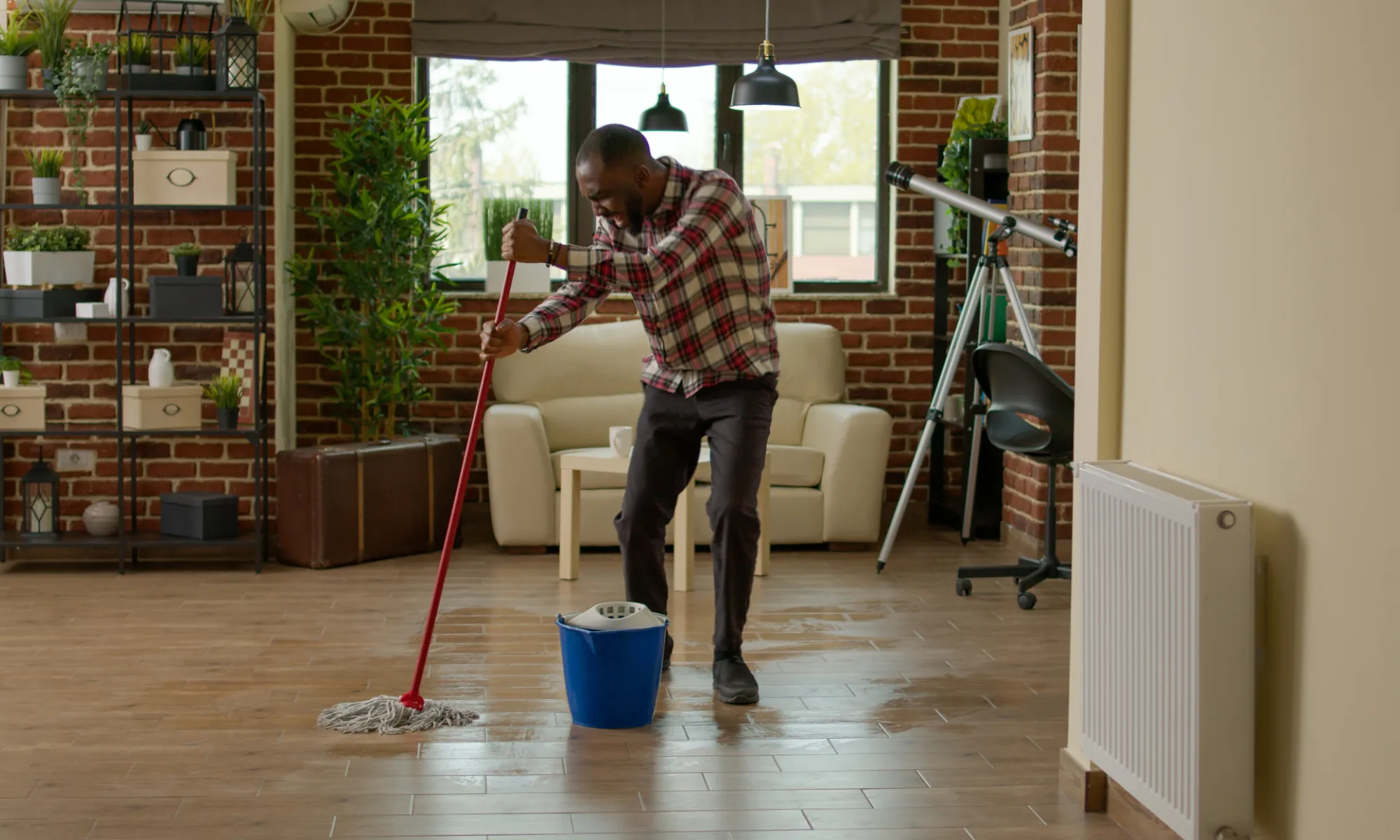
My lesson in true leadership
When one of his social fathers invited Lehlohonolo to a leadership moment, things didn't turn out quite as he'd expected. But he learnt a life-changing lesson that he still relies on today.
Read more about My lesson in true leadership
Where are the safe spaces that teach men how to father?
Fatherhood can sometimes feel quite lonely, because no one tells you how to father. When a woman gives birth her village automatically takes arm and offers support, advice, meal plans and encouragement. But as a new dad you can find yourself navigating this journey largely on your own.
Read more about Where are the safe spaces that teach men how to father?
My father's love language
As we think about our father stories, it can help to remember that fathers are people, just like us. And sometimes, connection grows from understanding how they give and receive love.
Read more about My father's love language