How to have a healthy social father relationship
Community , Social fathers , Children , Youth , Being a fatherSocial fathers are men who are positive, present and active male role models for young people who are not their biological children.
In a country where more than 70% of children grow up in homes without their biological father around, male role models play a hugely influential role in South Africa; but their value is not always recognised.
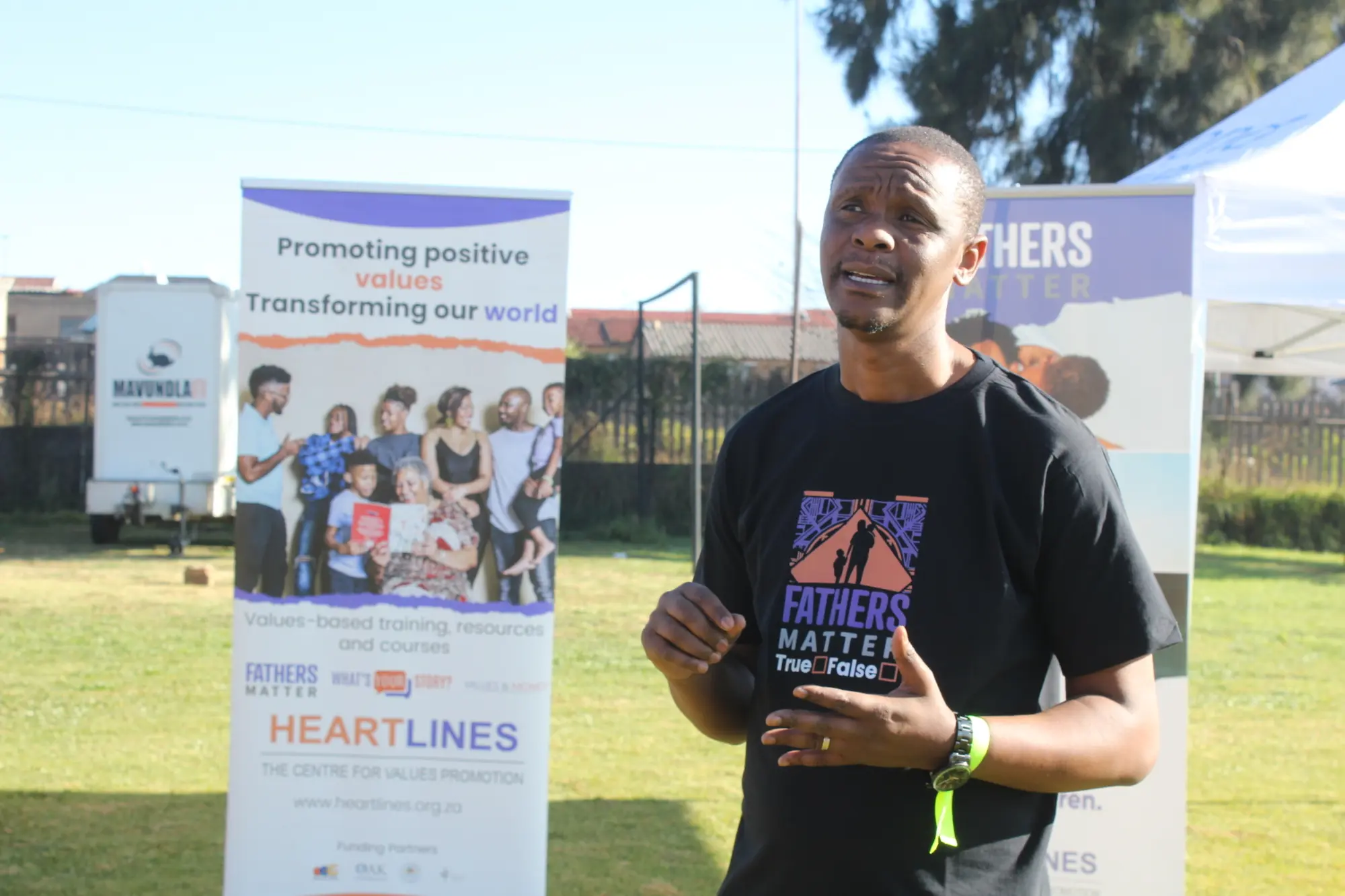
Heartlines Fathers Matter Church Lead Nkosinathi Sixabayi’s life was changed for the better by the men who were social fathers to him, and as an adult he is now intentional about being a positive, safe role model for other children too.
“I was raised by a phenomenal single mother, who did all she could to raise this man that I’ve become. However, she would not have been able to do so without the support of social father figures in my life.
In the absence of my biological father who was not that active in my life, it was my grandfather, uncles and many men from church who took interest in my growth and development as a child... They pushed me towards success and celebrated my achievements,” he says.
Social fathers can indeed make a difference in children’s lives in our country. However, we also need to be vigilant...
Prioritising safety
However, Nkosinathi cautions that it’s also important for us to safeguard our children so that the men who are involved in their lives are indeed a positive influence and don’t cause them harm. Even seemingly well-known or charismatic leaders can have ill intentions.
“As much as I admired such [charismatic] leaders, I also was aware of the vulnerability and dangers by hearing from other people's stories about their encounters with them.”
Some tips for young people or mothers who want their children to benefit from social fathers but to stay safe too are:
- Have realistic expectations of your social-father relationship and set clear boundaries.
- Just because someone spends time with you, or contributes financially in your life, does not mean they can demand things from you.
- Trust your instincts and speak up if you feel uncomfortable or unsafe.
- Make sure there are several other adults who know about your mentoring process.
- As far as possible, make sure you meet in public spaces and not behind closed doors alone with your social father/mentor.
- If you meet indoors always make sure there’s another trusted person nearby, or who comes along with you.
- Tell someone you trust if you’re uncomfortable with anything in the social father process.
- Set clear boundaries - your mentor or father figure should never ask you to do or share something that makes you feel uncomfortable.
- Learn more about healthy relationships and consent so you can see any red flags in your relationship with your mentor/social father.
- Get help from trusted adults, such as teachers, counsellors, or authorities, if you need it.
Nkosinathi says that the men who were genuinely invested in his life affirmed him, provided guidance and helped him to become the best person he could be. Practically, this involved helping him to get his driver’s license and looking for opportunities to do courses where he could be upskilled.
“Social fathers can indeed make a difference in children’s lives in our country. However, we also need to be vigilant… Our children remain extremely vulnerable to perpetrators who at many times are close to and trusted by their victims. But this doesn’t stop us from celebrating those who play a positive role in the lives of children,” he says.
Remember, prioritising safety and well-being is essential. If you or a young person you know is experiencing harm or abuse, please reach out to local support services or call helplines like Childline (08000 55 555) in South Africa.
Featured

'I grew up without a father and I turned out fine'
Read more about 'I grew up without a father and I turned out fine'You may also like
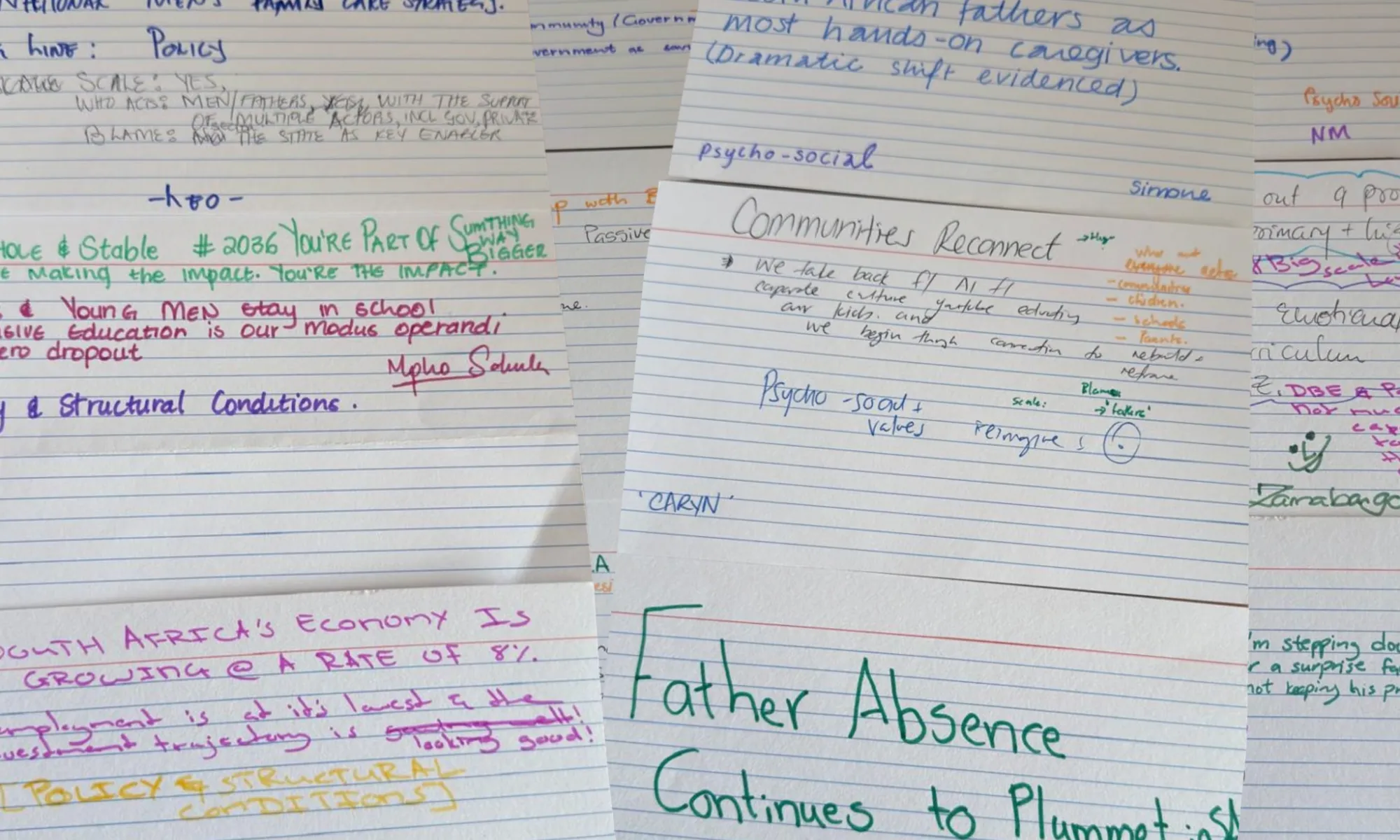
Heartlines hosts author workshop for fatherhood research publication
Head of Research at Heartlines, Livhuwani Maphorogo, convened a workshop for authors contributing to an upcoming Heartlines publication on interdisciplinary perspectives on fatherhood, masculinity and youth in South Africa.
Read more about Heartlines hosts author workshop for fatherhood research publication
Fathering my father
Themba has carried the strange inheritance of needing to father his father, and has come to believe that it means three different things. Read his powerful reflections.
Read more about Fathering my father
My lesson in true leadership
When one of his social fathers invited Lehlohonolo to a leadership moment, things didn't turn out quite as he'd expected. But he learnt a life-changing lesson that he still relies on today.
Read more about My lesson in true leadership
What going to the mountains can teach our boys about becoming men
Initiation Series: Part 2
This second article in our initiation series looks at what boys can learn about becoming men who lead well from their time at initiation school.
Read more about What going to the mountains can teach our boys about becoming men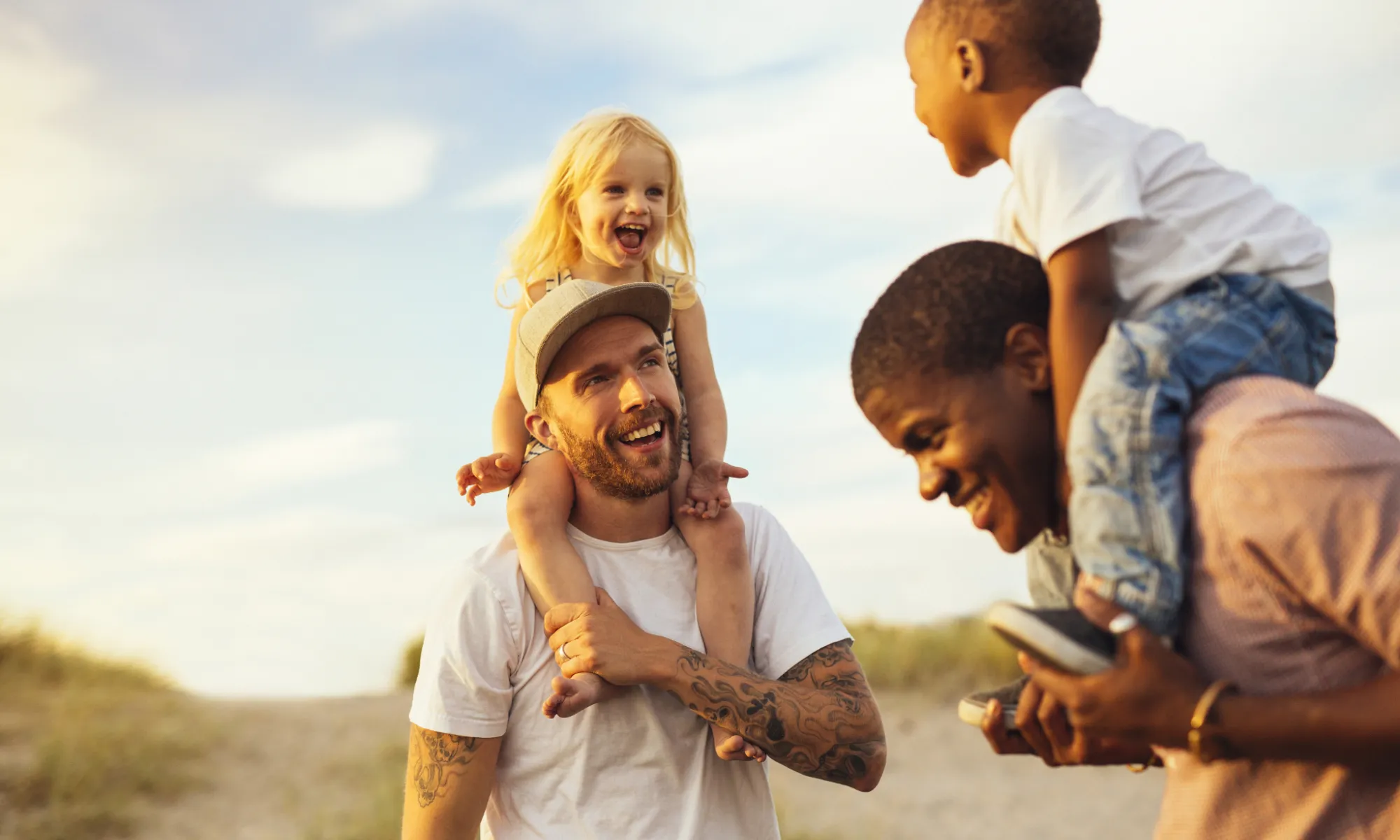
Where are the safe spaces that teach men how to father?
Fatherhood can sometimes feel quite lonely, because no one tells you how to father. When a woman gives birth her village automatically takes arm and offers support, advice, meal plans and encouragement. But as a new dad you can find yourself navigating this journey largely on your own.
Read more about Where are the safe spaces that teach men how to father?
When your son goes to the mountain: Why single mothers need support too
Initiation Series: Part 1
This first article in our initiation series looks at the experiences of single mothers as their sons take an important step in their journey to adulthood.
Read more about When your son goes to the mountain: Why single mothers need support too