Discipline to equip, not to punish
Being a father , Working with fathersWhen it comes to disciplining children, there are a wide range of opinions on how this should be done. We spoke to Sonke Gender Justice MenCare Facilitator, Suleiman Henry, about disciplining children in a constructive way. “Children are not half-people, they deserve full acknowledgement of their rights to human dignity and bodily integrity,” says Suleiman.
- Connection is key. Before you discipline your child, you first need to ask whether you have a loving connection with him or her. Does that child know you and see you as a positive presence in his or her life? Does he or she feel physically and emotionally safe around you? “In my early days of parenting, I remember coming home from work and my wife telling me what the kids did wrong that day. I made sure we had fun together first before addressing the things they did wrong. We first need to connect before doing anything else,” says Suleiman.
- Consider yourself. Another factor to consider as a father or father figure, is to think about where you are at mentally, psychologically and physically. If you are concerned about your anger levels or other emotions that may overwhelm you, talk to someone or get counselling. If you do not work on yourself, it will result in the transferral of anger from you to your child.
- Break tradition, if necessary. Don’t automatically discipline your child in the same way you were disciplined if it was a negative experience for you. “It’s like insisting on driving an impractical Volkswagen Beetle just because your father and his father had one,” says Suleiman. We can’t continue with practices without considering our context.
- Parenting is a learning process. When it comes to parenting, consider this: when you start a new job, you do training and go for coaching, for sport, you practice. So why should parenting be different? If you want to be good at anything, you have to put in the time - ask questions, get a parenting coach, observe, read books and watch parenting advice videos on YouTube.
- Prioritise time for connecting. Even if you do not live in the same household as your child or work long hours, make an effort to establish routines where you do things together. Even if it is a weekly walk to the outdoor gym, or washing the car together. It does not have to be fancy, expensive or complicated - you can start as simply as spending half an hour together on a regular basis. If you live in the same household, a great way to connect is to tuck your child in for bed every night.
- Equipping by discipline, rather than by punishment. There’s a misconception that the opposite of harsh discipline is to be dismissive and too lenient. This is not the case. In essence, punishment means to cause pain - almost like taking revenge for something done to you. When it comes to parenting, we need to make sure that our children are wisely guided, have information to make good decisions and change negative behaviours to positive. Harsh discipline does not bring about these outcomes. It may ensure compliance, but can also cause fear of the person doing the disciplining - rather than equipping a child to navigate situations appropriately.
If you want to learn more about how to parent, you can reach out to the following organisations for information and training:

Heartlines
At Heartlines, the Centre for Values Promotion, we believe in the power of story and positive values to touch hearts and transform behaviour.
Featured

How to understand your journey as a survivor of abuse
Read more about How to understand your journey as a survivor of abuseYou may also like
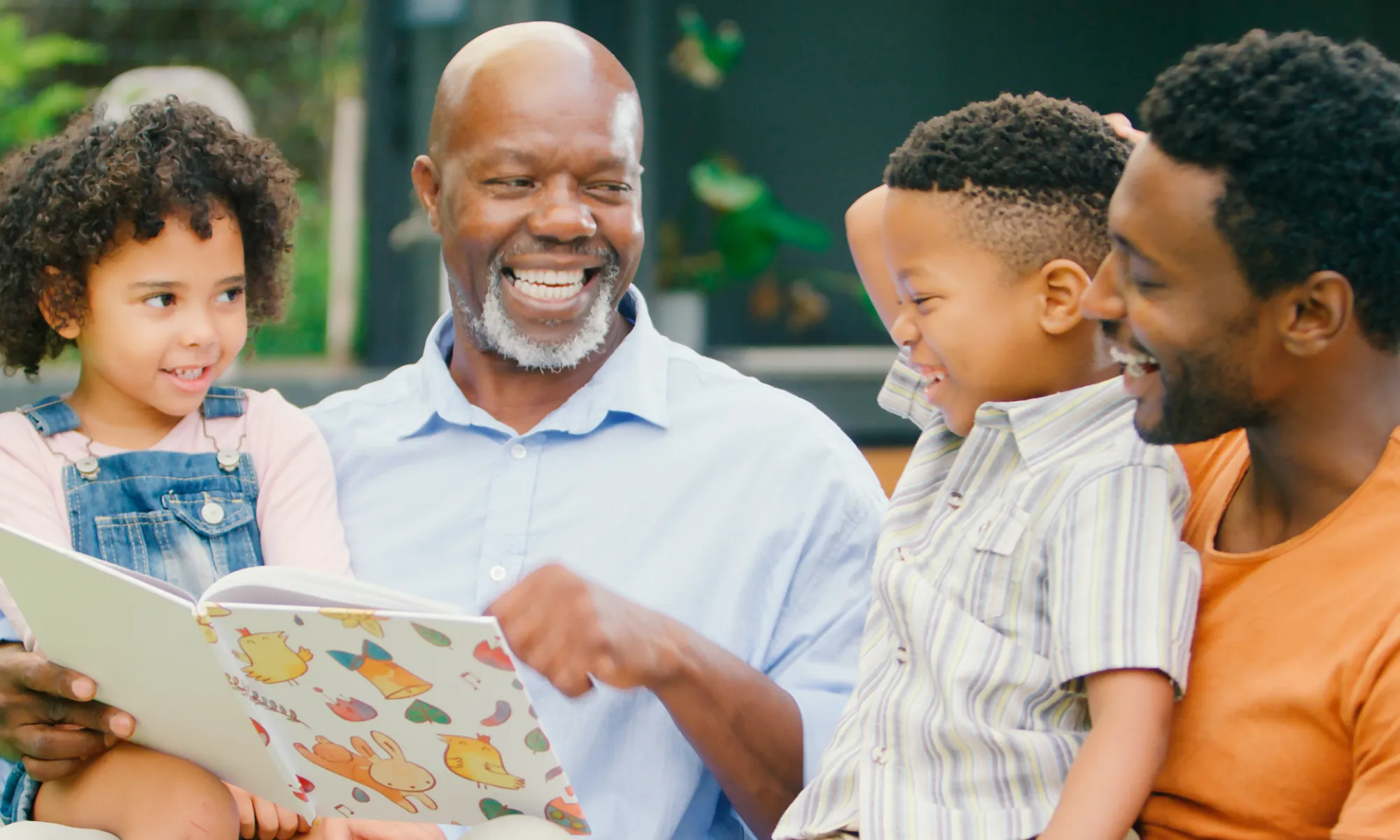
Who teaches a man how to father?
Here is the good news: fathering is learnable. It's learned the way every craft is learned – by apprenticeship. Watching. Copying. Asking. Failing next to someone who has failed before you and kept going.
Read more about Who teaches a man how to father?
Fathering my father
Themba has carried the strange inheritance of needing to father his father, and has come to believe that it means three different things. Read his powerful reflections.
Read more about Fathering my father
My lesson in true leadership
When one of his social fathers invited Lehlohonolo to a leadership moment, things didn't turn out quite as he'd expected. But he learnt a life-changing lesson that he still relies on today.
Read more about My lesson in true leadership
Where are the safe spaces that teach men how to father?
Fatherhood can sometimes feel quite lonely, because no one tells you how to father. When a woman gives birth her village automatically takes arm and offers support, advice, meal plans and encouragement. But as a new dad you can find yourself navigating this journey largely on your own.
Read more about Where are the safe spaces that teach men how to father?
I am a father: Reflections on fatherhood, legacy and presence
I owe my being to the love and bond with my children, the joys and challenges of raising them, the precious moments and shared experiences that define the essence of fatherhood.
Read more about I am a father: Reflections on fatherhood, legacy and presence
'I grew up without a father and I turned out fine'
We are very sure about fatherlessness, and that's a problem. Themba Dlamini shares how one radio conversation exposed a national blind spot about faterhood in South Africa.
Read more about 'I grew up without a father and I turned out fine'