The price children pay for migrant labour
Being a father , Children , Father Wound , FatherhoodLong before we had the social discussion about father absence, South Africa had already built systems that made it normal. Men left home not because they didn’t care, but because they had to.
The mines were calling and the cities demanded labour. Fathers became providers from a distance, arriving in December with groceries and gifts, then disappearing again into another year of work underground. Over time, absence became normal, and for many children, fatherhood became something experienced only in fragments.
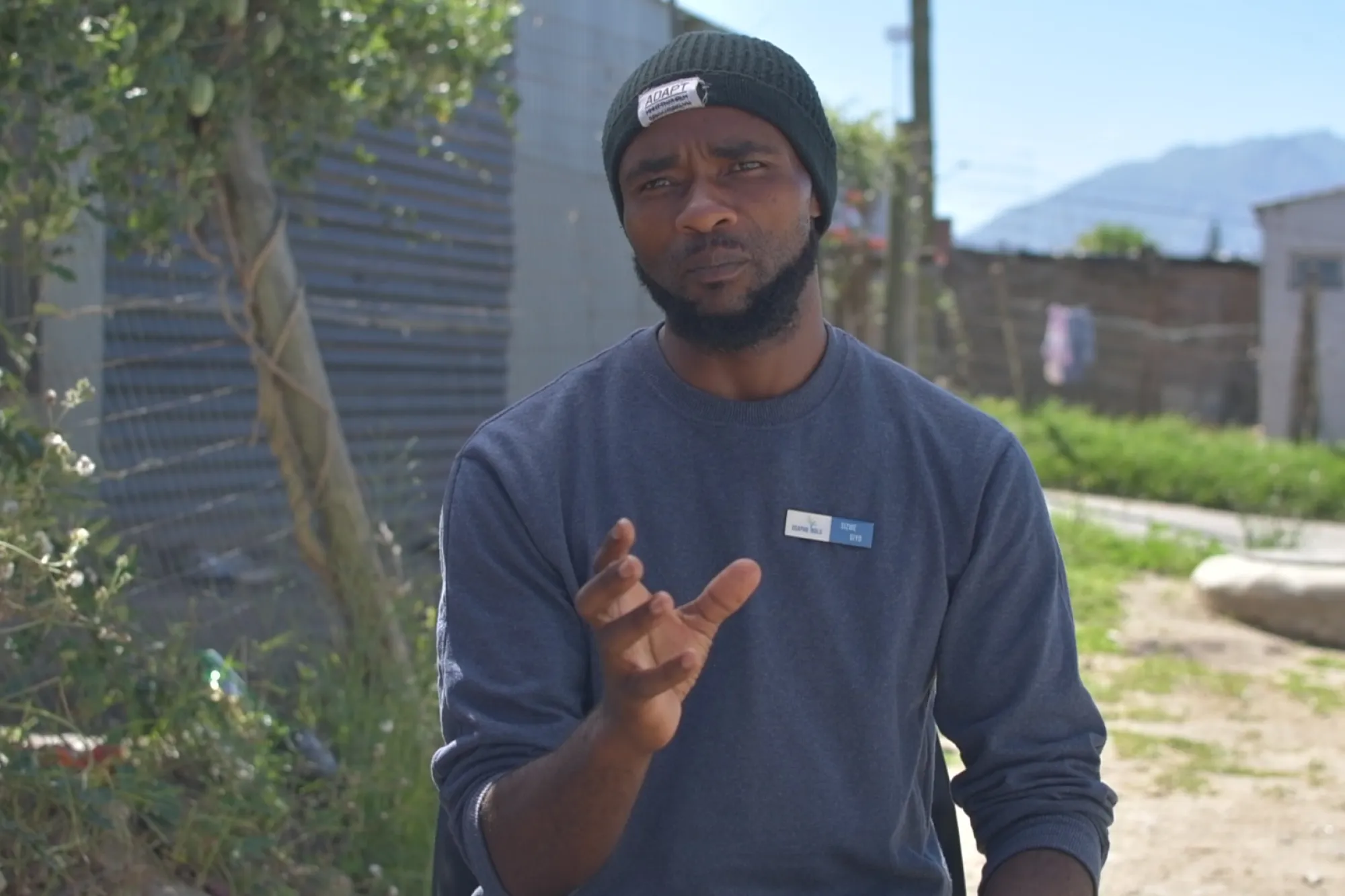
This was Sizwe’s experience.
He grew up in eNcobo in the Eastern Cape, while his father worked far away on the Johannesburg mines. Like many children in similar situations, he understood, at least on the surface, why his father wasn’t around. It wasn’t abandonment in the traditional sense, it was a sacrifice for survival.
But understanding something doesn’t mean you don’t feel it.
Because while his father provided, he wasn’t present in the everyday moments that shape a child’s world: the conversations, the corrections, the affirmations and the simple presence that teaches a boy what it means to be a man.
“There were times when I felt like my father was a visitor in my life,” Sizwe reflects. “I knew he loved us because he worked hard for us, but emotionally, there was still a gap.”
As he grew older, that absence evolved into feelings of rejection, resentment and, eventually, depression. Even years later, interactions with his father could reopen unresolved wounds.
This is one of the more subtle truths about fatherlessness: a boy doesn’t stop needing his father simply because he understands why he isn’t there.
Confronting his anger… and pain
Fortunately for Sizwe, there were people who refused to let the young man walk alone. One of them was a pastor who chose to intentionally walk alongside him and created space for honesty. He taught Sizwe that mistakes weren’t the end of his story, but part of his journey.
It was in conversations with his pastor that Sizwe began confronting what he had carried for years: the anger, the disappointment and the lingering questions about his own worth.
A boy doesn’t stop needing his father simply because he understands why he isn’t there.
“Forgiveness wasn’t instant,” he says. “It was something I had to learn over time. But I realised carrying anger was also carrying pain.”
At some point along that journey, Sizwe had an honest conversation with his father. He spoke openly about the hurt he had carried for years, the distance he had felt and the impact his father’s absence had on his life. It wasn’t neat, but it was real. And in that honesty healing began to take place.
Alongside his pastor, Sizwe’s uncle also played a vital role, offering guidance, modelling responsibility and helping him understand what it looks like to carry himself as a man. These weren’t replacements for his father, but they were present, consistent and invested in his life.
Positive deviance
Sizwe’s story is an example of what social researchers call positive deviance – when someone achieves a better outcome than expected, despite facing the same challenges as those around them. In a context where many boys inherit cycles of distance and disconnection, his story stands as proof that a different path is possible.
Even in the absence of a father, the need for guidance remains; it simply looks for another source.
“Forgiveness wasn’t instant,” he says. “It was something I had to learn over time. But I realised carrying anger was also carrying pain.”
In South African communities, this has long been understood, even if it's not always formally named. Coaches, pastors, malume, mkhulu, bhuti – men who step in because they recognise that a child cannot raise himself.
These father figures don't fill the gap perfectly, but by standing in the gap, they help.
Through programmes like Womb to Tomb and Fathers Matter, Sizwe received guidance and eventually began offering it too. At first, he doubted himself. Leading other men, especially at a young age, felt intimidating, but he grew into the role.
“In those spaces, I started seeing men become vulnerable with each other,” Sizwe says. “You realise you are not the only one carrying certain struggles.”
He recalls moments where something as simple as reading the Bible for the first time sparked real change in someone’s life: renewed hope, new opportunities and a different sense of direction.
Reshaping the future for others
Today, Sizwe sees himself as a “trendsetter”, someone choosing to reshape the patterns he inherited rather than repeating them, to benefit himself and the people he leads.
His story echoes many others across South Africa, including in his community in George, in the Western Cape – journeys of healing and fatherhood, where men are finding ways to break inherited cycles and rebuild connection.
In a country where many men were taught that providing is enough, there is a growing reminder that children need more than provision. They need presence.
And for those who did not grow up with it, the invitation is not to dwell on what was lost, but to consider what can still be given. Because fatherhood, biological or otherwise, can still be offered in ways that help raise a child into more than their circumstances demanded.
Our Fathers Matter Film, In Time, looks at how fathers can still be a positive, present and active part of their child's life, even when they work or live far away. You can watch it for free on our YouTube channel here.

Lehlohonolo Ramosolo
Lehlohonolo is a creative and results-driven social media and content specialist who is passionate about social and community-building communication.
Featured
Discipline to equip, not to punish
Read more about Discipline to equip, not to punishYou may also like
Heartlines hosts author workshop for fatherhood research publication
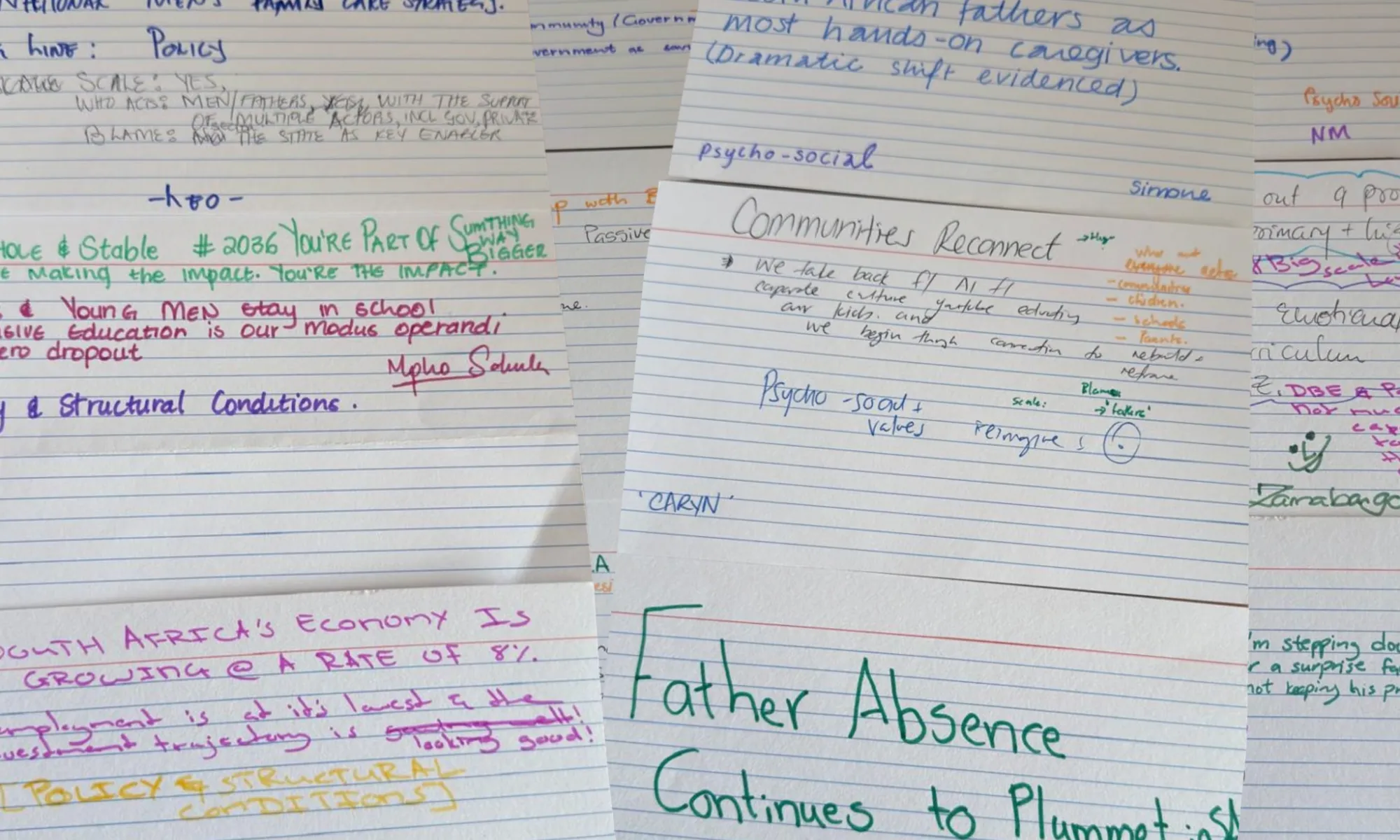
Head of Research at Heartlines, Livhuwani Maphorogo, convened a workshop for authors contributing to an upcoming Heartlines publication on interdisciplinary perspectives on fatherhood, masculinity and youth in South Africa.
Read more about Heartlines hosts author workshop for fatherhood research publication
Fathering my father
Themba has carried the strange inheritance of needing to father his father, and has come to believe that it means three different things. Read his powerful reflections.
Read more about Fathering my father
My lesson in true leadership
When one of his social fathers invited Lehlohonolo to a leadership moment, things didn't turn out quite as he'd expected. But he learnt a life-changing lesson that he still relies on today.
Read more about My lesson in true leadership
Where are the safe spaces that teach men how to father?
Fatherhood can sometimes feel quite lonely, because no one tells you how to father. When a woman gives birth her village automatically takes arm and offers support, advice, meal plans and encouragement. But as a new dad you can find yourself navigating this journey largely on your own.
Read more about Where are the safe spaces that teach men how to father?
My father's love language
As we think about our father stories, it can help to remember that fathers are people, just like us. And sometimes, connection grows from understanding how they give and receive love.
Read more about My father's love language
I am a father: Reflections on fatherhood, legacy and presence
I owe my being to the love and bond with my children, the joys and challenges of raising them, the precious moments and shared experiences that define the essence of fatherhood.
Read more about I am a father: Reflections on fatherhood, legacy and presence