

How we work
We use evidence-based social behaviour change theory to build knowledge challenge norms, spark debate and change behaviour at scale.
Our methodology
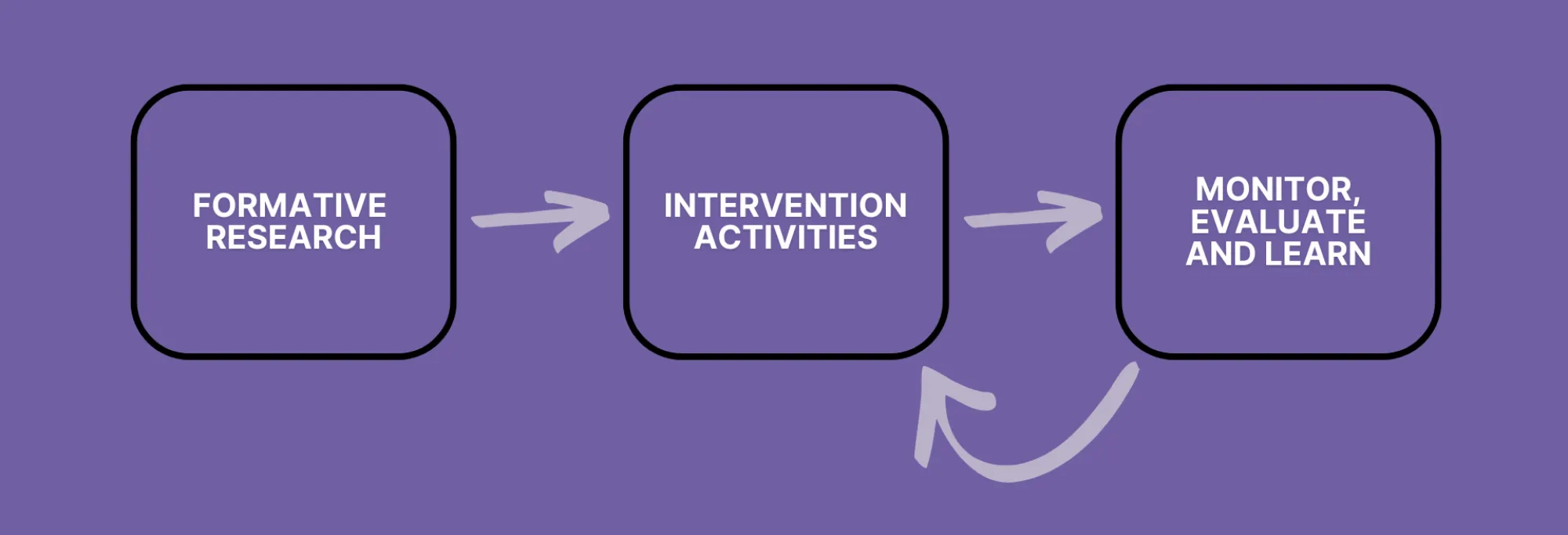
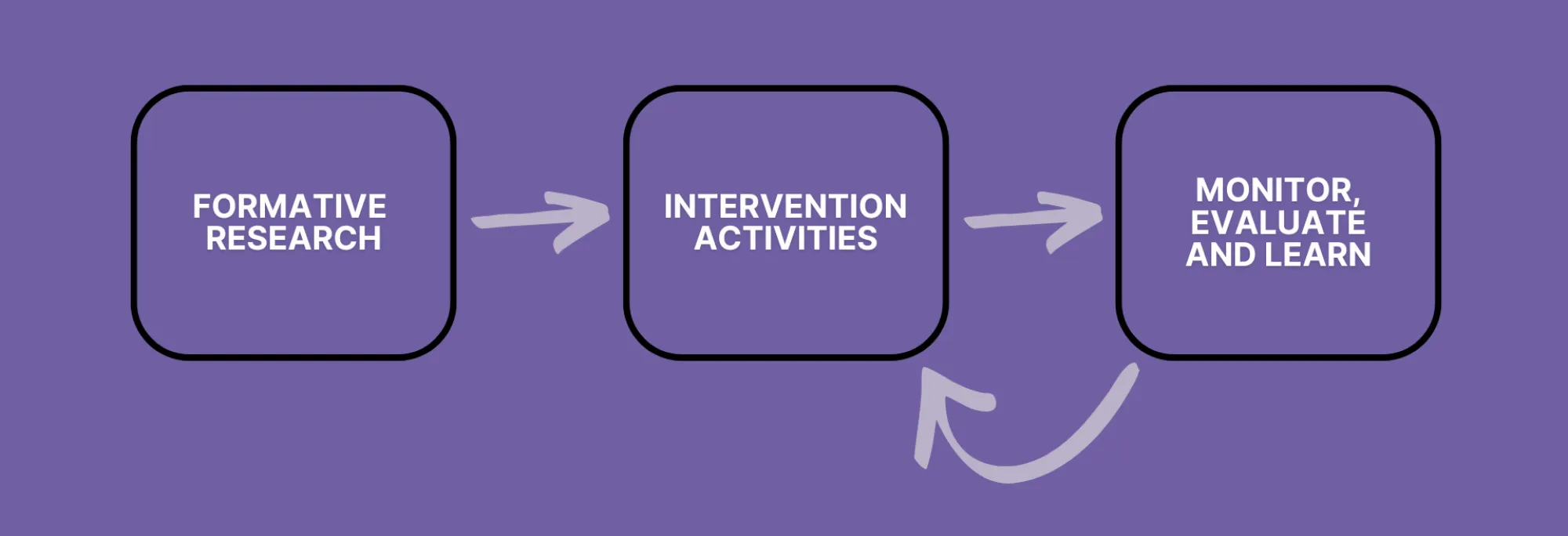
Step 1: Formative research
We do formative research including a literature review, expert interviews and focus groups to understand barriers and enablers to the desired change at the individual, community and sociopolitical levels (our work incorporates the socio ecological model).
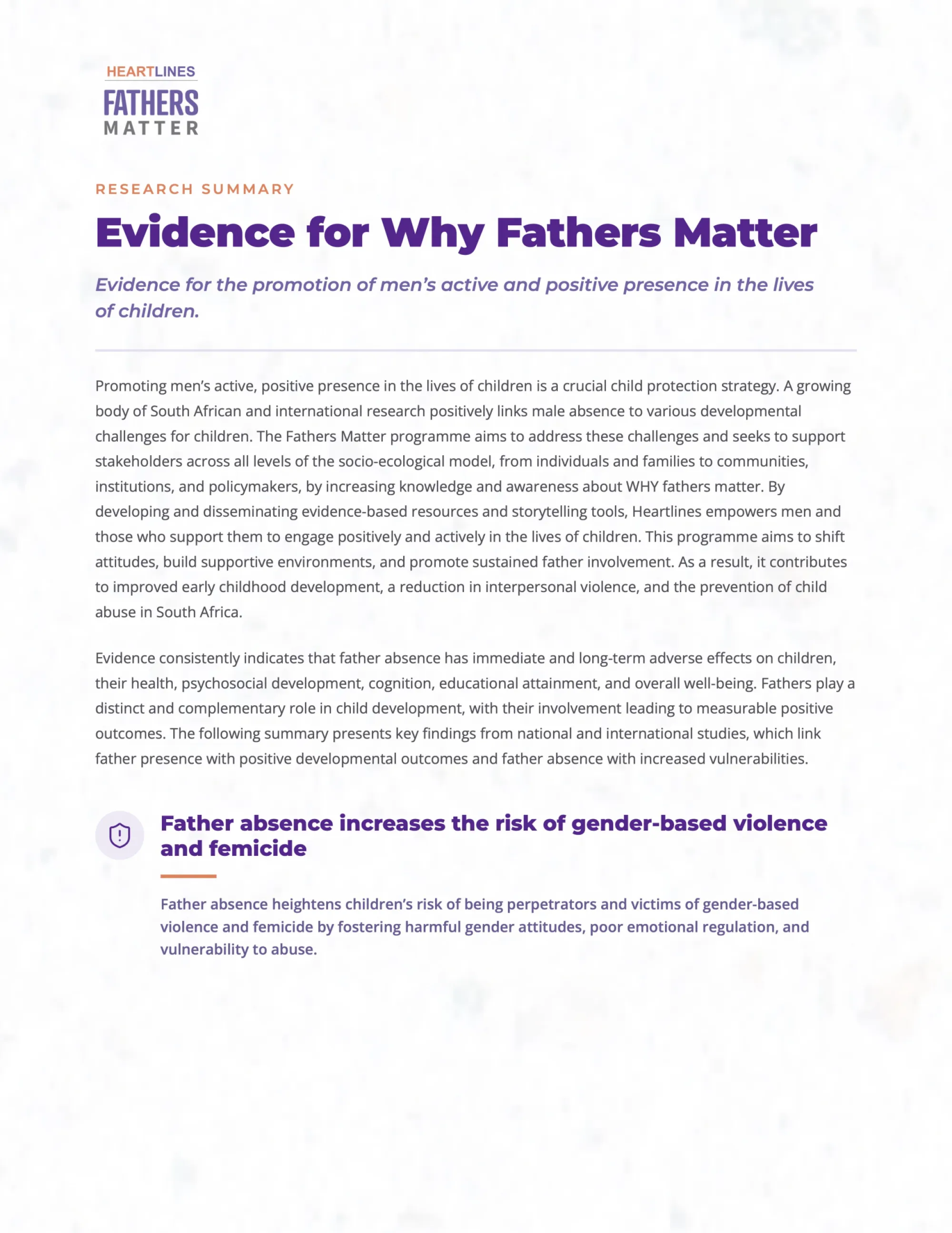
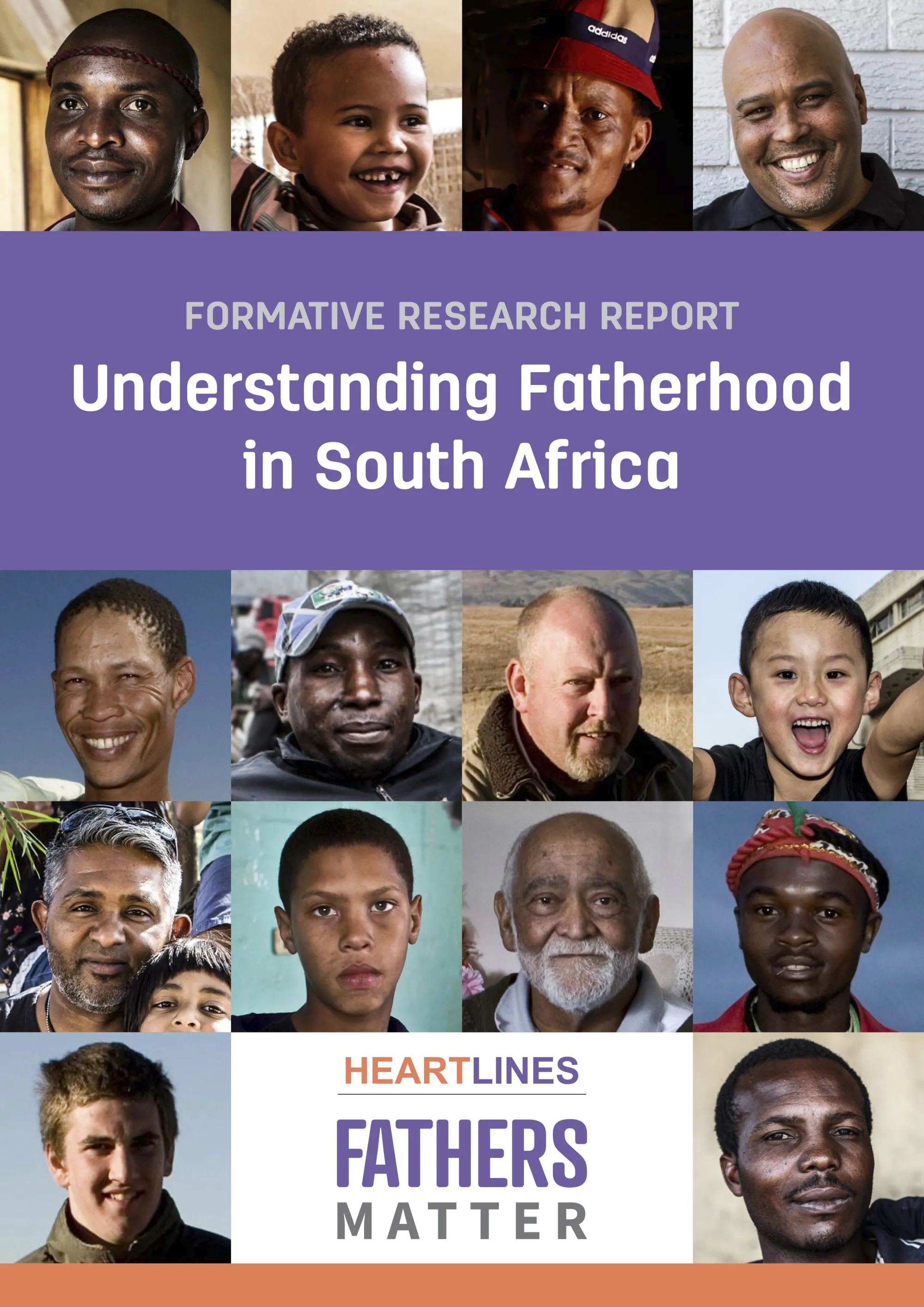
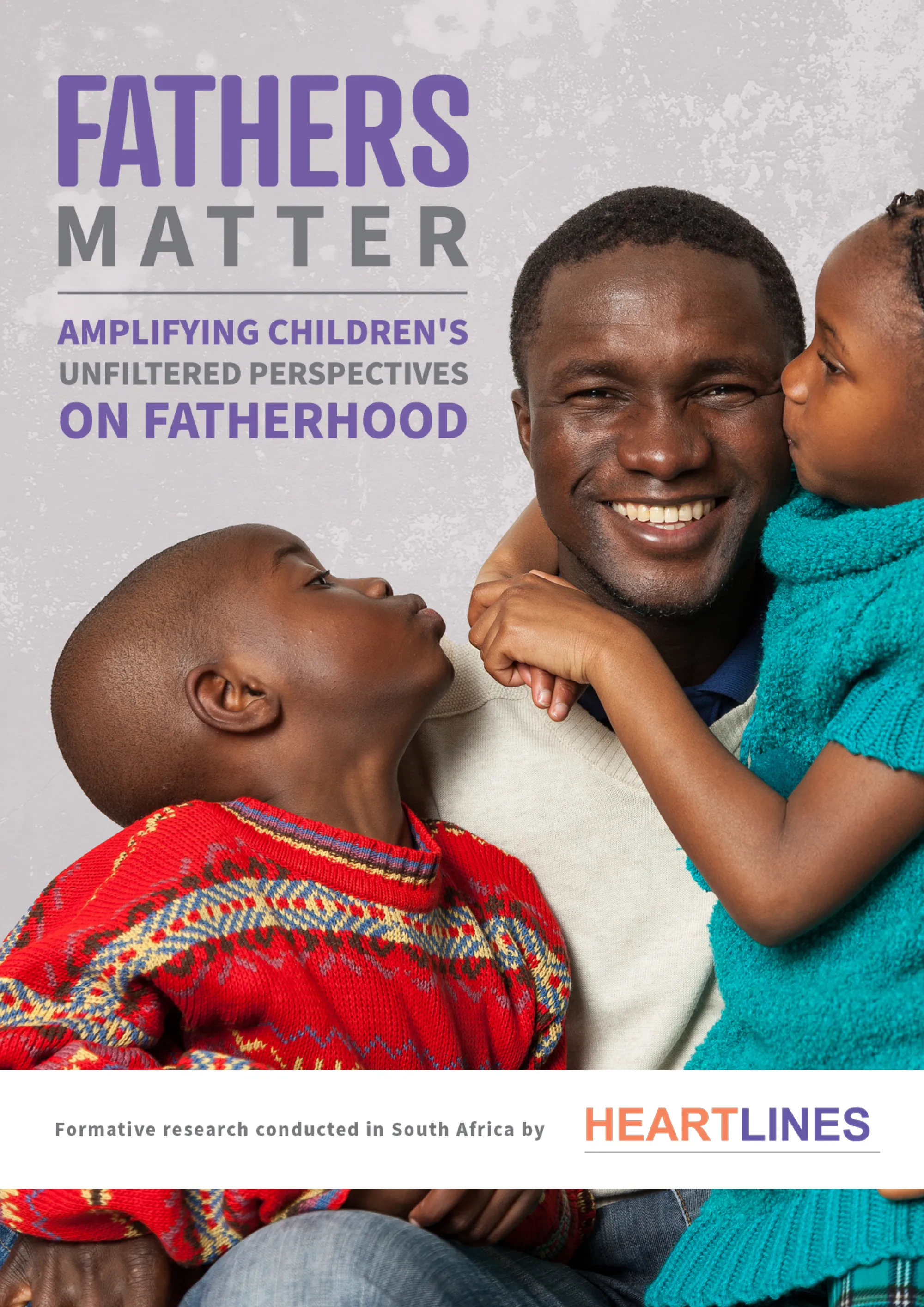
Before Fathers Matter launched in 2019, we released a formative research report Understanding Fatherhood in South Africa and in 2024 we released another formative research report that focused on children's perspectives on fatherhood.
Step 2: Intervention activities
Based on our formative research we develop activities.
Multi-level interventions are the most effective way to influence behaviour. We work on the societal and community levels and at an individual level.
We pretest all our content with our audience to ascertain accessibility and resonance.
At the societal and community levels
We aim to reach millions of people to build knowledge, challenge norms and inspire debate.
We produce:
- Films that educate and entertain people (edutainment). The films are central to our work. Research proves that story changes behaviour more than facts.
- Social media content and engagement to create awareness about why fathers matter and to introduce new ideas to a broad audience.
- Mainstream and community media thought leadership to disseminate information and improve knowledge.
At an individual level
We aim to reach tens of thousands of people face-to-face to build knowledge, challenge norms and support behaviour change.
We use:
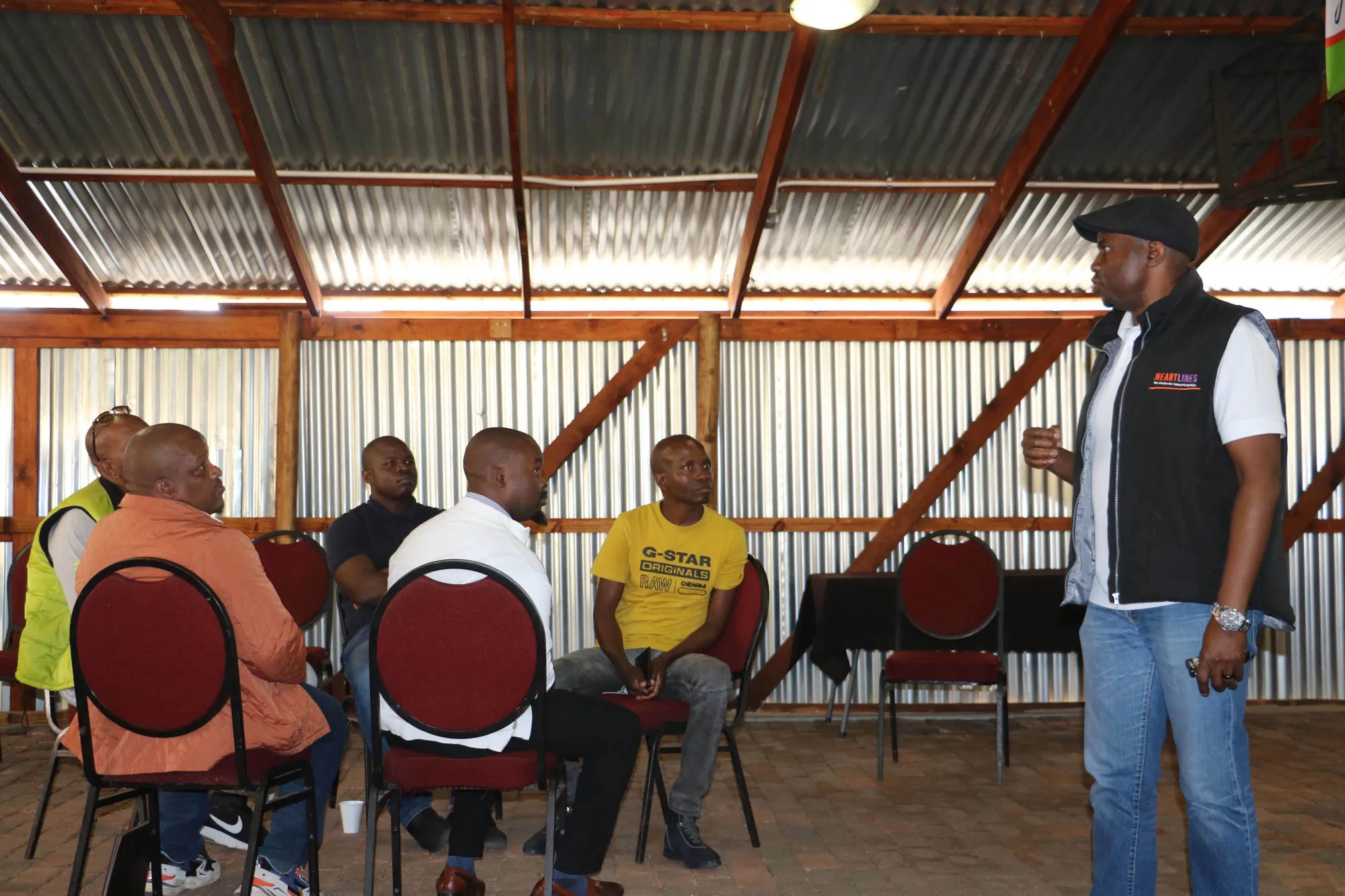
- Facilitated workshops that use our films as a start point.
- Multi-session courses that take people one a deeper change journey.
- SMS and WhatsApp individual support post workshop or courses.
Step 3: Monitor, evaluate and learn
The Heartlines research team monitors for reach for delivery and impact using both qualitative and quantitative methodologies.
We commission large-scale independent evaluations that take a mixed method approach to assessing multi level impact.
Learnings from internal and external surveys are taken to improve our interventions.