When the streets raise our boys
Father Wound , ViolenceThere’s a kind of upbringing that is sheepishly spoken about. Sure, you may hear it glorified in rap music and other urban genres, but not so much out loud in public engagements. It’s the kind that settles in slowly until one day you realise that something has been shaping a child. It doesn’t announce itself or ask for permission, and by the time you notice it, it has already done most of its work.
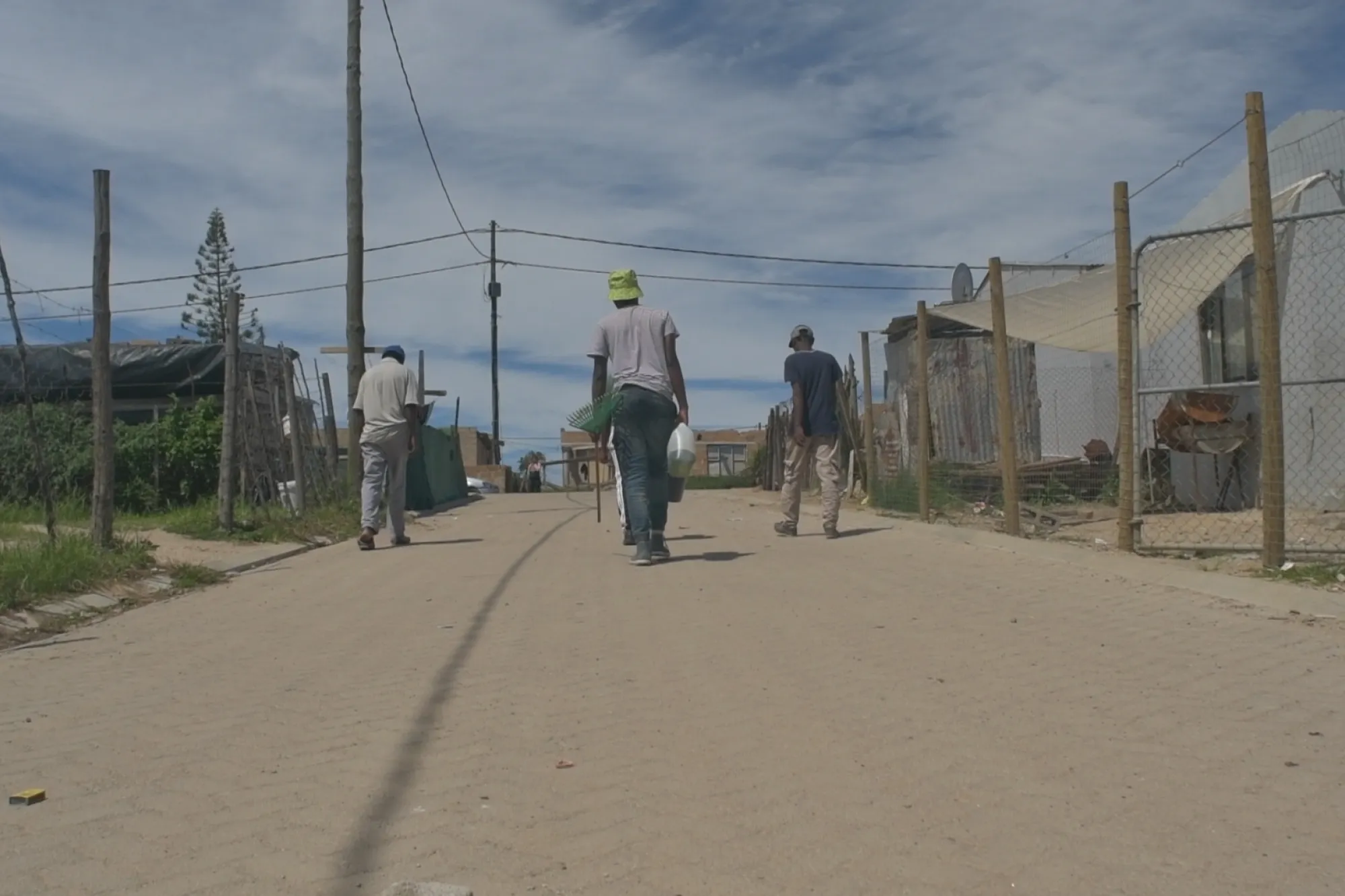
You begin to see it in the details, the way a boy speaks, the things he values, how he responds to pressure, and over time, those details form a pattern. That pattern becomes a sense of identity.
We often believe identity is shaped at home, through guidance, discipline and presence, but in many South African communities, the home is only one voice speaking among many. Outside of it, there is another presence that’s constant, visible, and seductively persuasive.
The environment – very good at raising children, in a bad way.
I’ve seen it myself growing up. The streets have a way of introducing you to role models without ever calling them that. The grootman with the freshest takkies, quick cash and a reputation that moves faster than his 325is Gusheshe. That part of the streets can be deceptively inviting.
At first, it feels welcoming. There’s a sense of belonging, of being seen, of being part of something. For a young boy trying to figure himself out, that feeling can be as addictive as Tik.
But the streets are patient. What feels like belonging at the beginning often reveals itself as a trap much later.
Nkululeko’s story sits right inside that reality. As a young boy in the Eastern Cape, he grew up in an environment where gangsterism was not distant but part of everyday life. It shaped how people interacted, how respect was earned, and how conflict was handled.
At one point, a rival gang member was his own neighbour. That kind of proximity changes how you see the world. It blurs the line between normal life and survival, between who you are and who you need to be to get through the day.
And that environment begins to answer a deeper question:
What does it mean to be a man here?
The answers come quickly, and they come through observation.
A man must be tough.
A man must be ready.
A man must not be seen as weak.
What is often missing is guidance, someone to balance those messages, someone to say, “There’s more to being a man than this.”
Despite having a father who was alive, Nkululeko did not have that consistent presence shaping his understanding of himself. And when that kind of guidance is missing, it doesn’t leave a gap for long.
Something else fills it.
In his case, the streets stepped in, the grootmans. Not dramatically, but steadily. Through exposure, through necessity, through the everyday reality of needing to make things work. Hustling became part of that process simply as a response to need.
And over time, survival stopped being something he did and became part of who he was.
That’s type of environment raises a child through repetition, through what feels necessary, until it starts to feel like the only way.
A path to prison
Nkululeko’s life followed that path until, one day, an inevitable arrest brought everything to a halt, followed by something even more disorienting – illness in prison. After months in custody, his body began to fail him, and he eventually lost the ability to walk, later diagnosed with spinal tuberculosis.
“I began treatment at the clinic and did physio in order to learn how to walk because I was in a wheelchair.” He told me.
There’s a particular kind of clarity that comes when life forces you to slow down like that, when the identity you’ve been carrying no longer fits the reality you are in. He was eventually released from custody and moved to a township in George in the Western Cape.
But disruption alone doesn’t create change. It creates space.
What fills that space is crucial.
For Nkululeko, that came through intervention from programmes like Womb to Tomb, through mentorship, and through consistent engagement that introduced a different way of thinking about himself and his future. What he encountered there wasn’t just support, but the kind of guidance that had been missing earlier on.
Despite having a father who was alive, Nkululeko did not have that consistent presence shaping his understanding of himself. And when that kind of guidance is missing, it doesn’t leave a gap for long.
And slowly, things began to shift.
As his body recovered, so did his sense of identity. He moved from reacting to his environment to reflecting on it, from surviving within it to choosing how he wanted to live beyond it. He learned to walk again, but more importantly, he began to walk with intention.
And that’s where his story turns.
Because the environment that once raised him no longer had the same authority over him. It had shaped him, yes, but it didn’t have the final say.
A reality for many
That’s the redemptive part of this story, and also the challenging part – because there are many boys growing up in similar environments right now, learning the same lessons and forming their identities in spaces that are consistent but incomplete.
In South Africa, there are approximately 28,000 young offenders in prison, and if you listen closely to their stories, you will often hear a familiar thread, absent or distant fathers, and environments that stepped in to shape identity.
So the question is not whether children are being raised, but what is shaping who they become?
In South Africa, there are approximately 28,000 young offenders in prison, and if you listen closely to their stories, you will often hear a familiar thread, absent or distant fathers, and environments that stepped in to shape identity.
Because identity is formed through repetition, through presence, through what is seen and experienced often enough to feel true.
And while the environment is effective at producing survivors, survival alone is not enough to build a life with direction.
For that, a child needs something more, a voice that stays, a presence that guides, something intentional enough to compete with everything else.
Because in the end, the environment may raise the child – but it doesn’t have to define the man.

Lehlohonolo Ramosolo
Lehlohonolo is a creative and results-driven social media and content specialist who is passionate about social and community-building communication.
Featured
Bloemfontein's call to action for families
Read more about Bloemfontein's call to action for familiesYou may also like
Fathering my father
Themba has carried the strange inheritance of needing to father his father, and has come to believe that it means three different things. Read his powerful reflections.
Read more about Fathering my father
'I grew up without a father and I turned out fine'
We are very sure about fatherlessness, and that's a problem. Themba Dlamini shares how one radio conversation exposed a national blind spot about faterhood in South Africa.
Read more about 'I grew up without a father and I turned out fine'
The measure of a man is not in his fists
In many communities, the dominant image of manhood remains physical – protect, provide, endure, fight. These instincts are not inherently wrong. But they are incomplete.
Read more about The measure of a man is not in his fists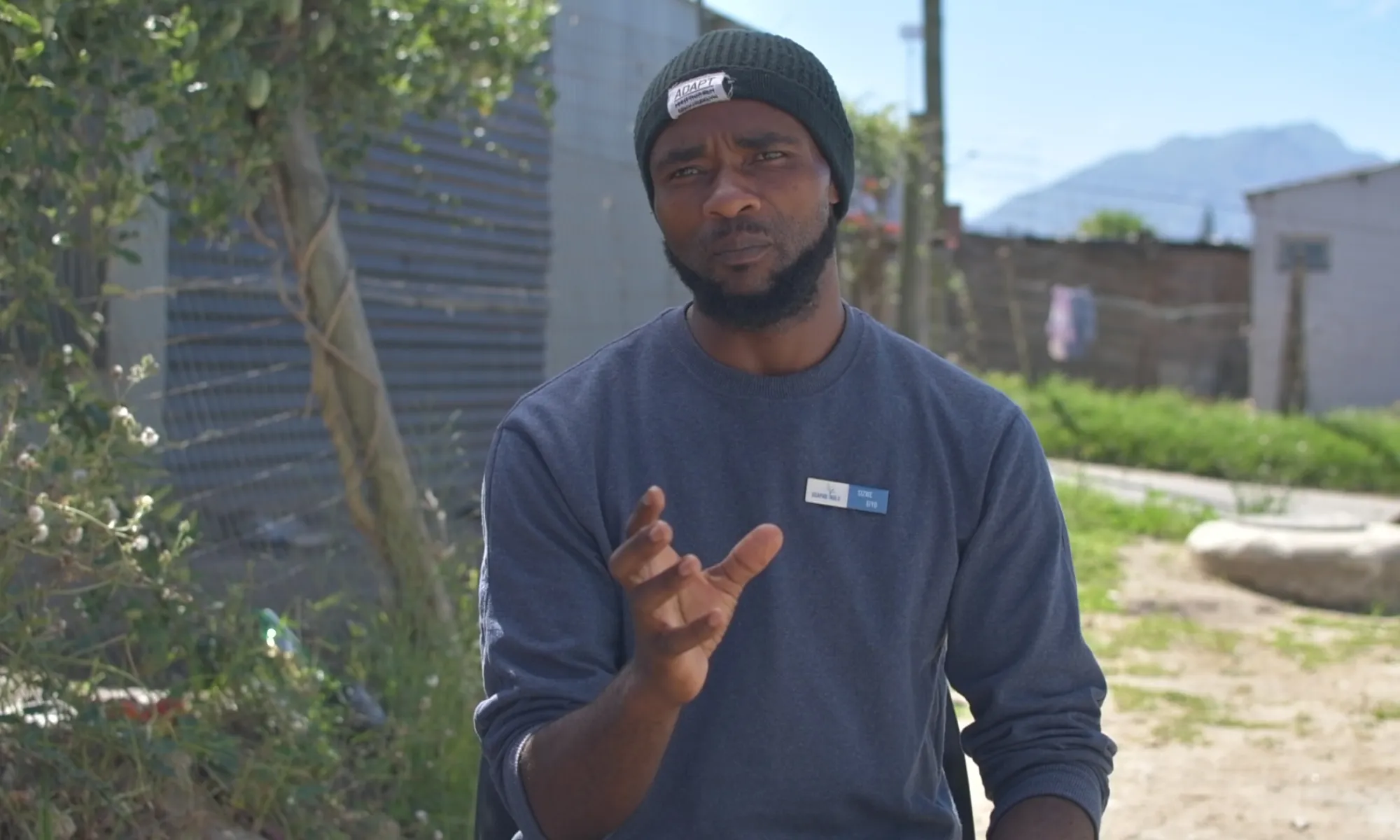
The price children pay for migrant labour
Long before we had the social discussion about father absence, South Africa had already built systems that made it normal. Men left home not because they didn’t care, but because they had to.
Read more about The price children pay for migrant labour
What’s Papa got to do with my rage?
Father absence removes one of the first buffers against violence – a daily presence where anger is noticed, slowed down, named, and shaped before it hardens.
Read more about What’s Papa got to do with my rage?