Who will cry for the boy?
Fathers Matter , Identity , Mental HealthWhen you take away race, nationality, and tribe, men’s issues remain the same.
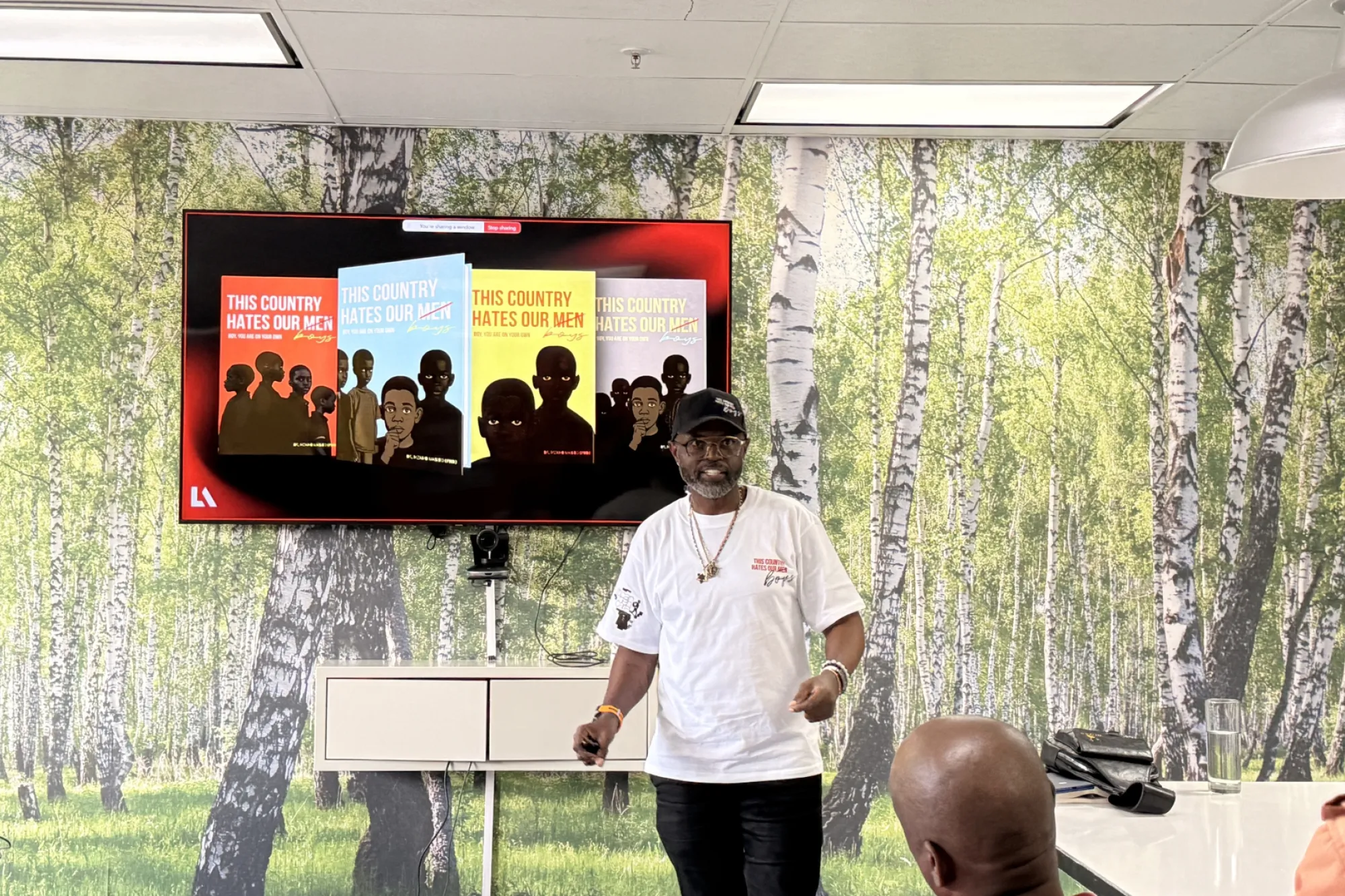
Before he was Dr Mzamo Masito, a respected author and advocate for young boys and men, Dr Masito was just another child trying to survive in some of the toughest townships in and around the Western Cape while struggling with his own ‘father wound’. A wound that he would have to confront as he got older.
Why didn't my biological father raise me?
By the time he buried his father, Mzamo says that his dad "had 33 kids and he had raised none of them”. “He died the same way he lived – alone." Dr Masito remembers how he had to get his father drunk in order to have a conversation with him. “I bought him six beers, and when I saw that he was tipsy,” he asked a question that many young boys and girls who have been abandoned by their fathers long to ask: “Why did you abandon me?” Dr Masito says that he had hoped for a good answer, but all his dad said to him was, “Be grateful I didn't raise you.”
An abusive past
Now the author of This Country Hates Our Boys, a book that has brought up polarising emotions among South Africans, and the founder of African Men Care, Mzamo, whose life was shaped by poverty, violence, inequality and sexual abuse, speak out against fatherlessness, violence, inequality and sexual abuse.
Growing up in the streets of Gugulethu, Valhalla Park and the rural villages of eXesi in the Eastern Cape, Mzamo had a father figure step up in the form of his stepfather, who was a good father to him but an abusive partner to his mother. The sad reality of Mzamo’s experiences is that it mirrors the reality of many other kids in the country whose mothers stay in abusive relationships for the sake of their children, not realising the devastating effects that this decision will have.
What happened to me?
Even though he didn’t grow up with the positive example of a father, he was determined to heal his wounds. He says that “society needs to move away from asking what's wrong with men, to what happened to men. Because when you say what's wrong with someone, you pathologise them. And they become the problem.” Dr Masito believes that asking “What happened to men?” allows us (society) to “empathise with men, allowing them to speak more”.
Father wound vs mother wound
There is an acceptable myth that society believes about mothers, according to Dr Masito, and that myth is that “a mother never leaves and if your mother leaves, then there must be something fundamentally wrong with you,” and oftentimes this leaves you “with an emotional wound”. But when a father leaves a child, Dr Masito believes that it creates an “identity and competency void”.
He does, however, caution us to never compare the two wounds. “In the Olympics of pain between the mother wound vs the father wound, we need to remember that there is no medal.” “Each one of these pains leaves you with a wound that yearns to be felt, acknowledged, and healed.”
For more information on how to understand your father story, visit www.fathersmatter.org.za or read this article to understand how the positive presence of a father or father figure can offer a solution against violence: What’s Papa got to do with my rage?

Bonolo Mokua
Bonolo is a multimedia journalist and content creator at Heartlines. She has experience in online and radio media production and helps spread the Heartlines message on multiple platforms.
Featured
I Lost My Daughter to Cancer
Read more about I Lost My Daughter to CancerYou may also like
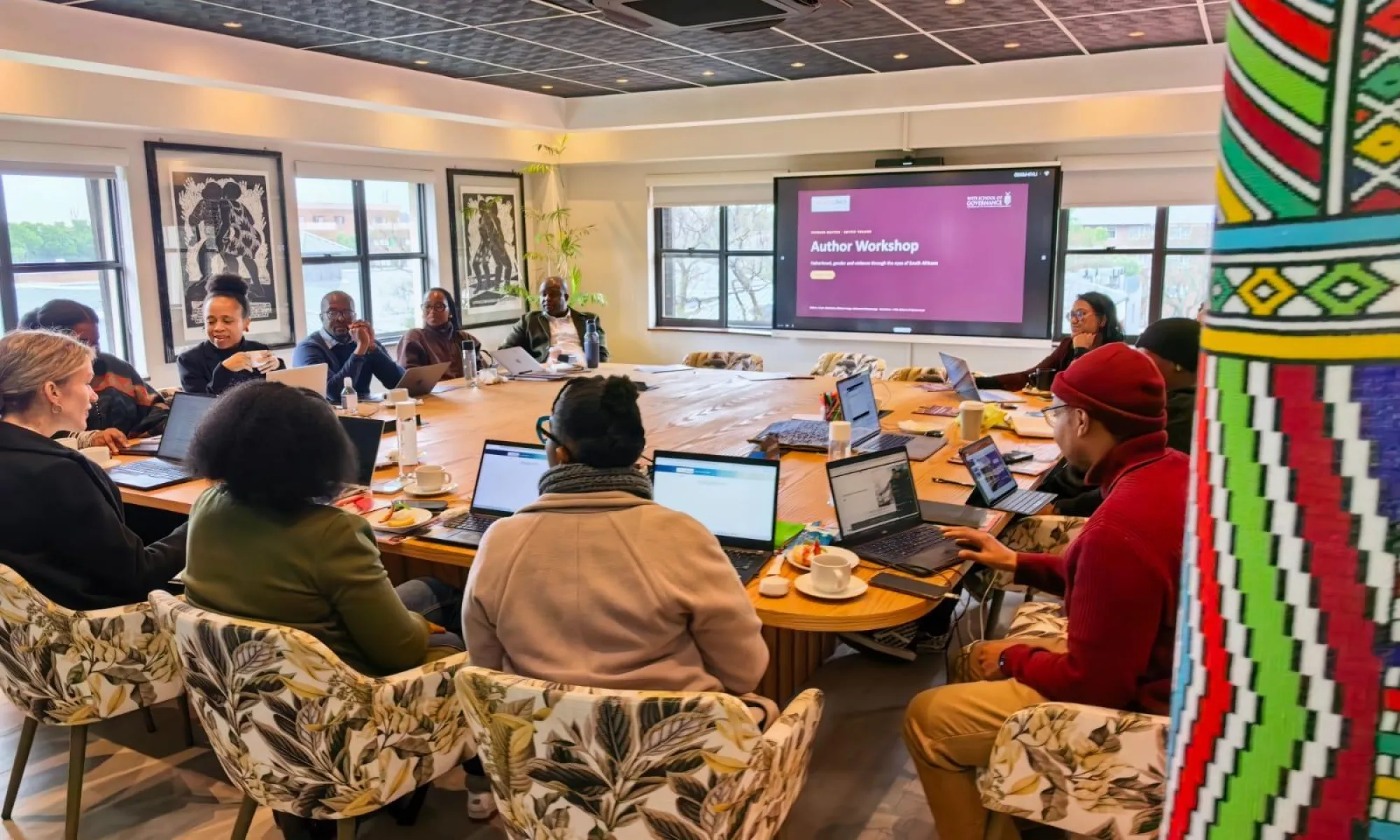
Heartlines hosts author workshop for fatherhood research publication
Head of Research at Heartlines, Livhuwani Maphorogo, convened a workshop for authors contributing to an upcoming Heartlines publication on interdisciplinary perspectives on fatherhood, masculinity and youth in South Africa.
Read more about Heartlines hosts author workshop for fatherhood research publication
Fathering my father
Themba has carried the strange inheritance of needing to father his father, and has come to believe that it means three different things. Read his powerful reflections.
Read more about Fathering my father
'I grew up without a father and I turned out fine'
We are very sure about fatherlessness, and that's a problem. Themba Dlamini shares how one radio conversation exposed a national blind spot about faterhood in South Africa.
Read more about 'I grew up without a father and I turned out fine'
The measure of a man is not in his fists
In many communities, the dominant image of manhood remains physical – protect, provide, endure, fight. These instincts are not inherently wrong. But they are incomplete.
Read more about The measure of a man is not in his fists
Fathers Matter is Heartlines' flagship programme
When we first introduced the Fathers Matter programme, we had one clear mission: to address a deep and often unspoken wound that many South Africans carry. Now, Fathers Matter is the core focus at Heartlines as we look to halve fatherlessness in a generation.
Read more about Fathers Matter is Heartlines' flagship programme